By Kimberly Zahand Team
Aurora gives real estate investors several distinct property settings in one city, from historic streets near Stolp Island to commuter-focused homes near Route 59. We see the Fox River, Paramount Theatre, Chicago Premium Outlets, and I-88 corridor all shaping how different neighborhoods perform and feel.
The decision to invest in Aurora starts with understanding which part of the city matches the property type, rental plan, or long-term equity goal.
Key Takeaways
- Transit: Metra access helps anchor commuter-oriented property decisions.
- Downtown: Riverfront investment benefits from arts, dining, and redevelopment.
- Retail: Chicago Premium Outlets and Fox Valley Mall support regional traffic.
- Housing: Older homes and newer subdivisions create varied entry points.
Start With Aurora’s Size And Location
Aurora is Illinois’ second-largest city, and that scale gives the market more depth than many smaller Fox Valley communities.
Local Market Anchors To Review
- Fox River: Study homes near downtown bridges, parks, and river paths.
- I-88 Access: Focus on commute routes near Farnsworth Avenue and Eola Road.
- Route 59: Review areas near the Aurora-Naperville border.
- Orchard Road: Consider west-side convenience and retail access.
- Downtown Core: Track activity around Broadway, Galena Boulevard, and Stolp Island.
We make sure each opportunity is evaluated through its immediate surroundings rather than through broad citywide assumptions.
Follow Transit And Commuter Demand
Aurora’s commuter access is one of its clearest real estate advantages, with Metra service at the Aurora Transportation Center and Route 59 station.
Transit Details That Matter
- Aurora Station: Look near downtown for BNSF access and Fox River proximity.
- Route 59 Station: Study east-side homes near commuter parking and Pace connections.
- I-88 Corridor: Evaluate drive times to Farnsworth Avenue and Route 59.
- Pace Routes: Review bus links that support daily mobility.
- Parking Access: Confirm garage, driveway, and commuter parking convenience.
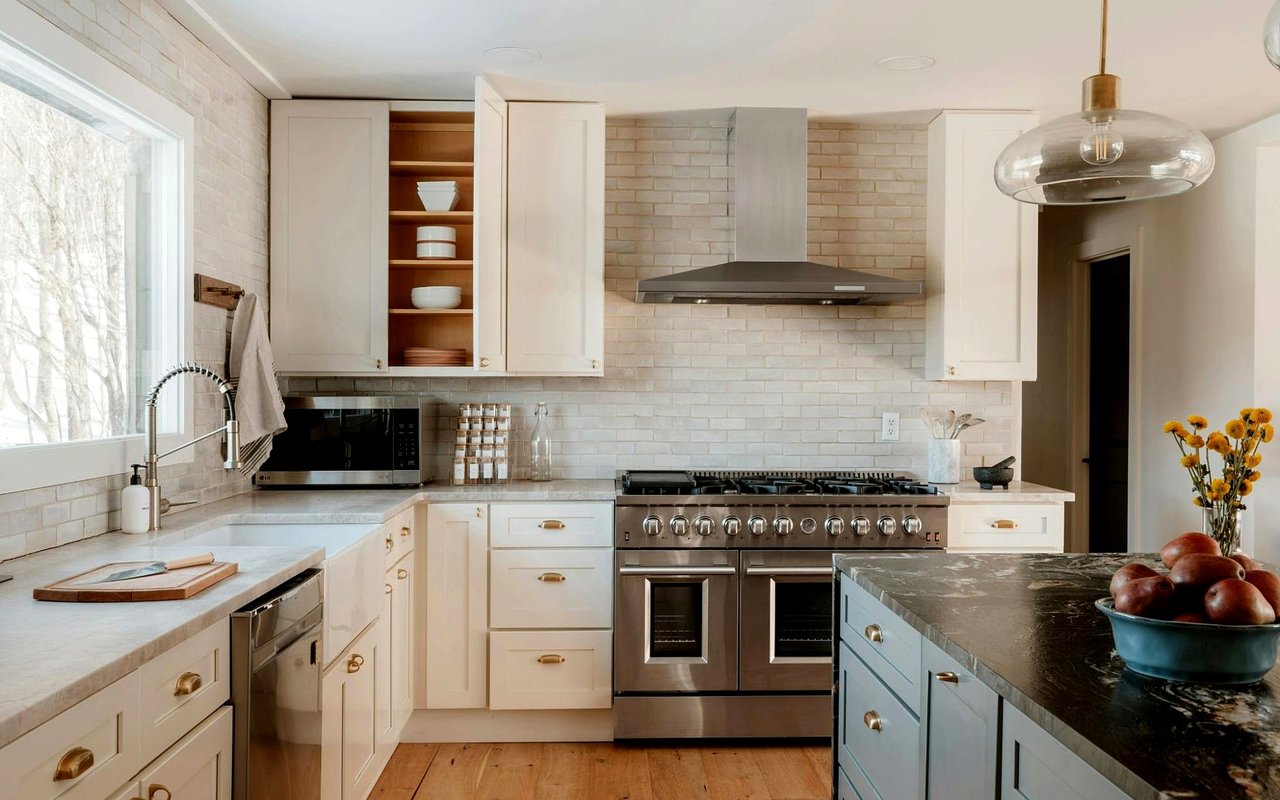
Transit value works best when the home also has practical features like storage, updated kitchens, and efficient layouts.
Watch Downtown Aurora’s Riverfront Momentum
Downtown Aurora has a distinct real estate identity because it combines historic architecture, riverfront paths, restaurants, galleries, and major entertainment venues.
Downtown Features To Consider
- Stolp Island: Review historic buildings, river views, and nearby arts venues.
- Galena Boulevard: Study walkability to restaurants, theaters, and civic buildings.
- Broadway Corridor: Look at mixed-use potential and visibility.
- Fox River Trail: Consider access to outdoor recreation and daily walks.
- Adaptive Reuse: Evaluate older buildings with updated interiors and preserved character.
The Paramount Theatre, Copley Theatre, Stolp Island, and the Aurora Transportation Center all give the area a cultural and logistical center of gravity.
Compare Older Homes With Newer Subdivisions
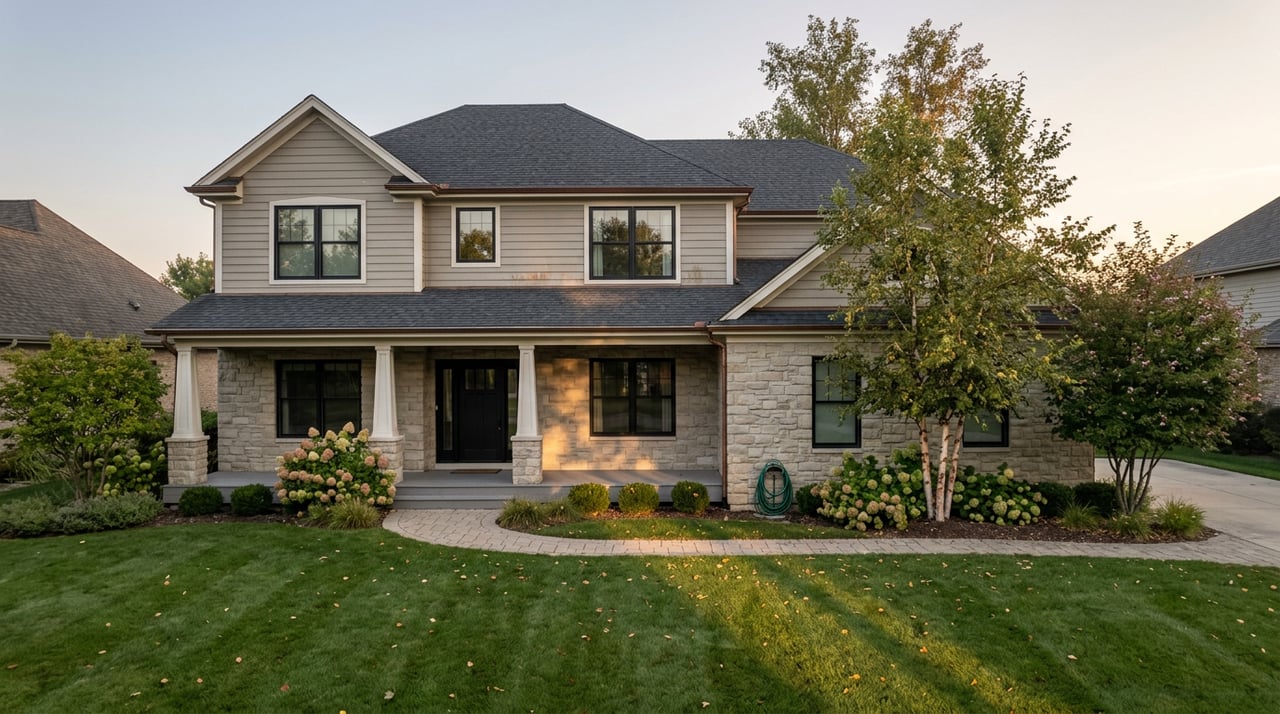
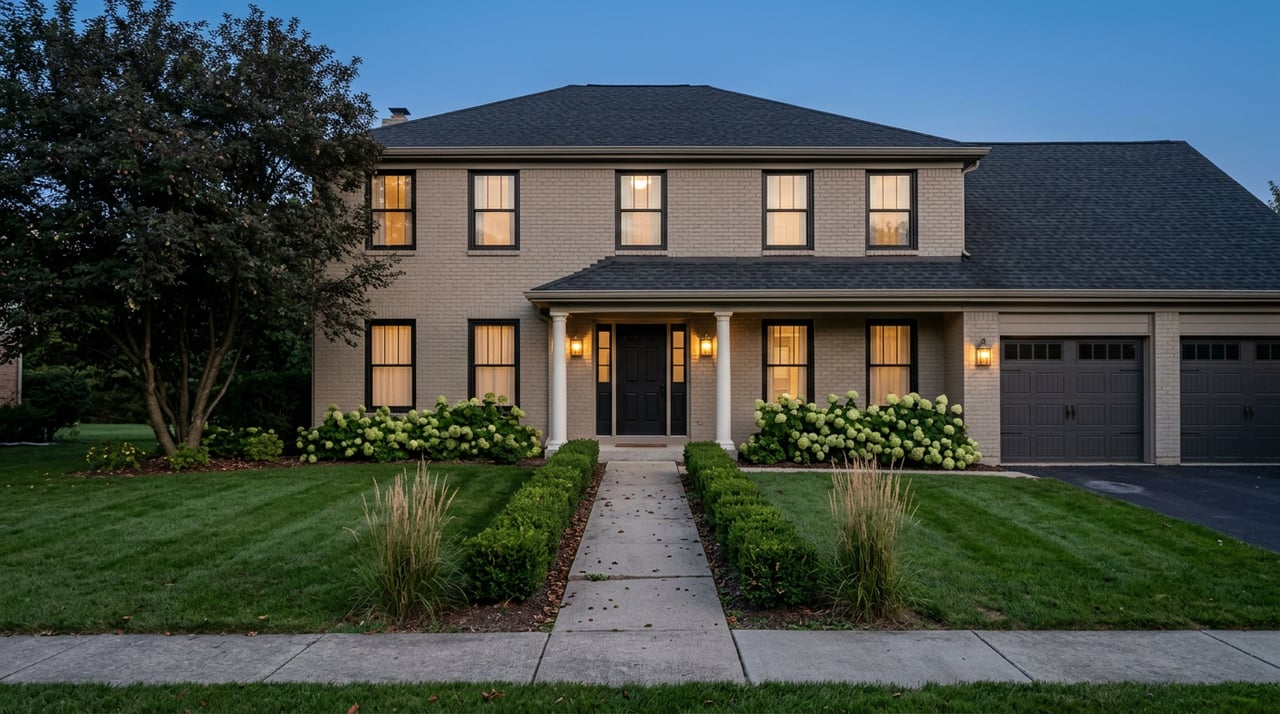
Aurora offers older homes near downtown and the west side, plus newer subdivisions on the east, southeast, and far west edges of the city.
Property Types To Study
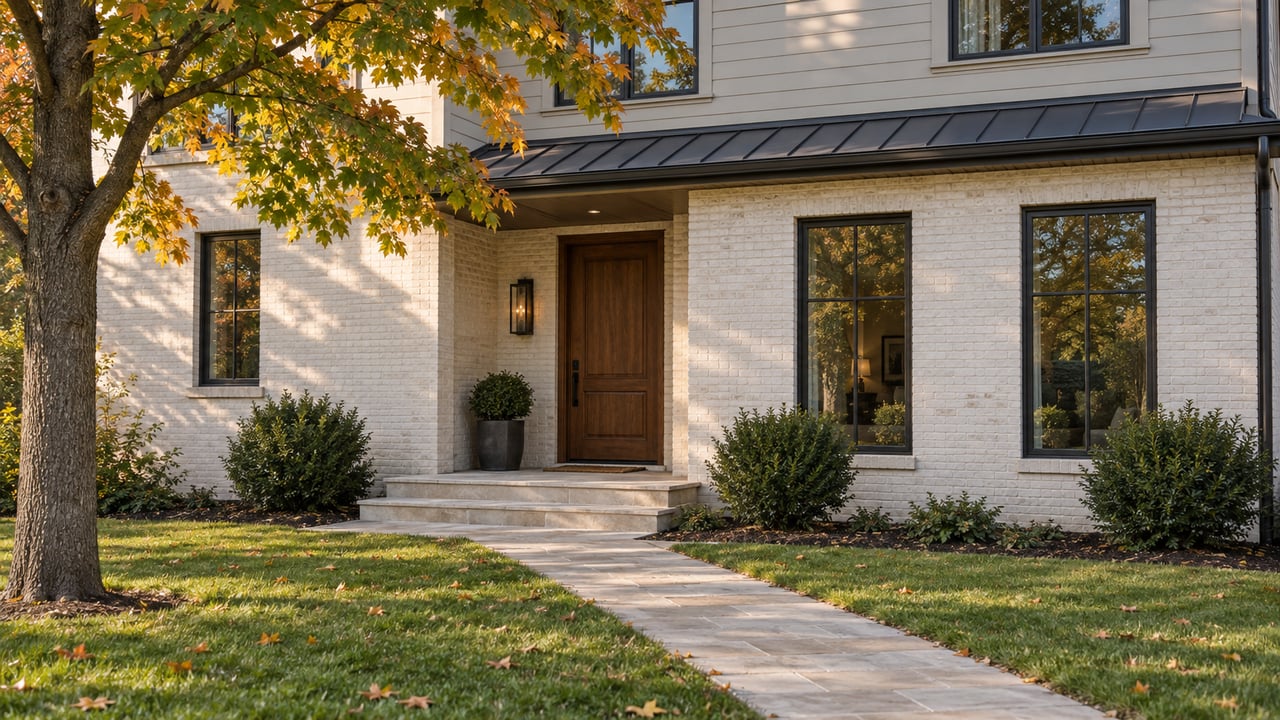
- Historic Homes: Review masonry, porches, windows, and mechanical updates.
- Townhomes: Look near retail corridors and commuter routes.
- Single-Family Rentals: Compare yard size, floor plan, and garage access.
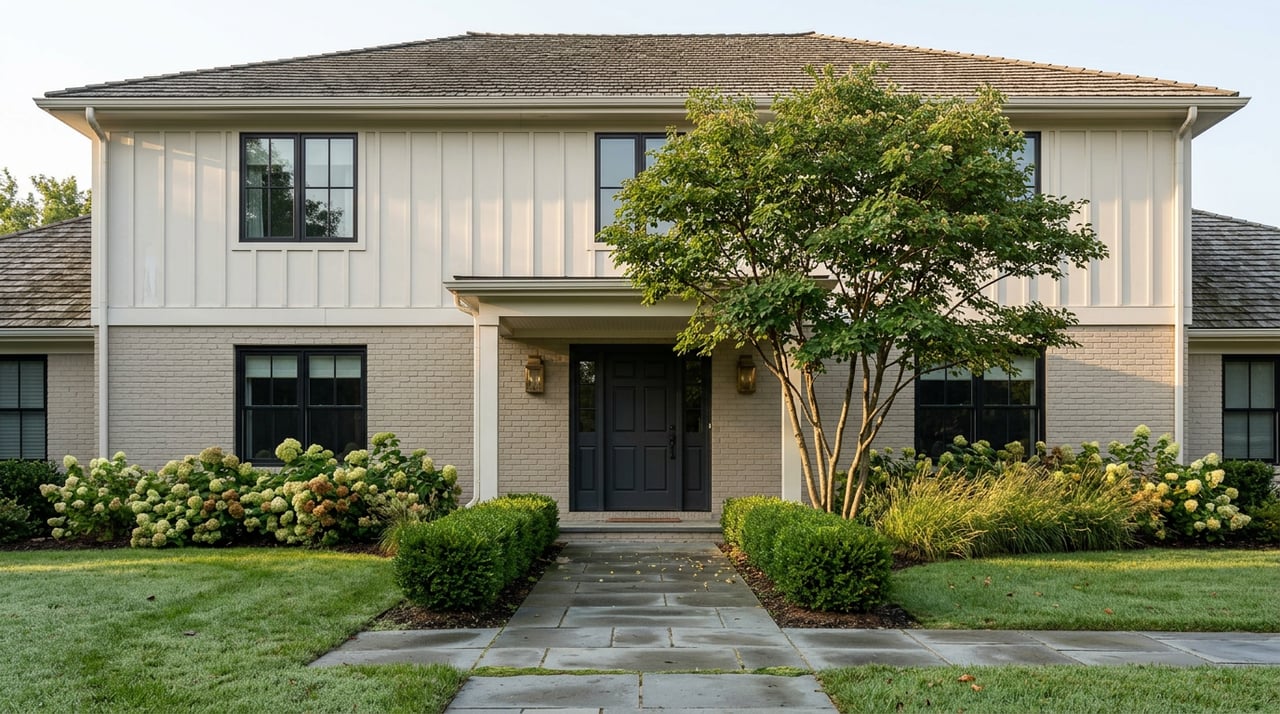
- Luxury Homes: Study finishes, ceiling height, outdoor space, and location.
- Small Multifamily: Evaluate layout, parking, utilities, and maintenance history.
That variety creates room for different investment strategies, including cosmetic improvement, long-term rental ownership, and luxury resale positioning.
Study Retail, Entertainment, And Daily Conveniences
Aurora has regional destinations that influence real estate decisions, including Chicago Premium Outlets, Fox Valley Mall, the Paramount Theatre, and dining districts around downtown.
Convenience Anchors To Map
- Chicago Premium Outlets: Review homes near Farnsworth Avenue and I-88.
- Fox Valley Mall: Study the far east side and nearby residential pockets.
- Paramount Theatre: Consider downtown appeal for arts-focused living.
- RiverEdge Park: Look at nearby access to concerts and outdoor events.
- Local Dining: Compare downtown restaurants with Route 59 commercial corridors.
These amenities matter because they shape daily routines, weekend traffic, and the appeal of nearby neighborhoods.
Plan Around Renovation And Holding Costs
Aurora’s variety means investment costs can change quickly from one property to the next. A downtown home with older systems, a west-side ranch with dated finishes, and an east-side townhome with association rules each require a different review process.
Due Diligence Priorities
- Mechanical Systems: Review heating, cooling, plumbing, and electrical age.
- Roof and Exterior: Check siding, masonry, drainage, and window condition.
- Layout: Confirm bedroom placement, kitchen flow, and storage.
- Rental Rules: Review applicable local requirements before planning income.
- Association Documents: Study fees, reserves, restrictions, and maintenance duties.
Clear cost planning helps protect the investment from avoidable surprises.
FAQs
Is Aurora Better For Long-Term Holds Or Renovation Projects?
Aurora can support both approaches, depending on the property’s location, condition, and price point. We often compare downtown character homes, commuter-area rentals, and newer suburban layouts before identifying the better fit.
Which Aurora Areas Deserve The Closest Look?
We pay close attention to downtown Aurora, the Route 59 corridor, neighborhoods near I-88, and west-side areas with convenient access to Orchard Road. Each area offers a different mix of transit, retail, home style, and long-term appeal.
What Should We Review Before Making An Offer?
We review condition, rental potential, renovation scope, local rules, parking, and nearby amenities. In Aurora, we also consider whether the property connects naturally to the Fox River, Metra, shopping corridors, or entertainment districts.
Contact Kimberly Zahand Team Today
At Kimberly Zahand Team, we help clients understand Aurora through the details that shape real estate value: riverfront access, Metra stations, I-88 connectivity, retail anchors, downtown activity, and property condition.
Reach out to us at
Kimberly Zahand Team to compare neighborhoods, read renovation needs, and understand how each opportunity fits the unique real estate landscape of Illinois’ second-largest city.