By Kimberly Zahand Team
Geneva gives buyers a choice between a genuine historic district within close proximity to downtown, and newer planned communities just a few minutes away. There's rarely one universally right answer between the two, and the right fit really depends on what you're optimizing for. It really comes down to how you want to spend your time, your budget, and your patience for projects. Let's walk through the real differences so you can decide what fits your life best.
Key Takeaways
- Understand what sets Geneva's historic homes apart, architecturally and practically
- Learn what newer construction communities like Mill Creek actually offer buyers
- Compare the cost factors that matter most between the two options over time
- Get a clear framework for deciding which fits your lifestyle and priorities best
The Character and Considerations of Historic Homes in Geneva
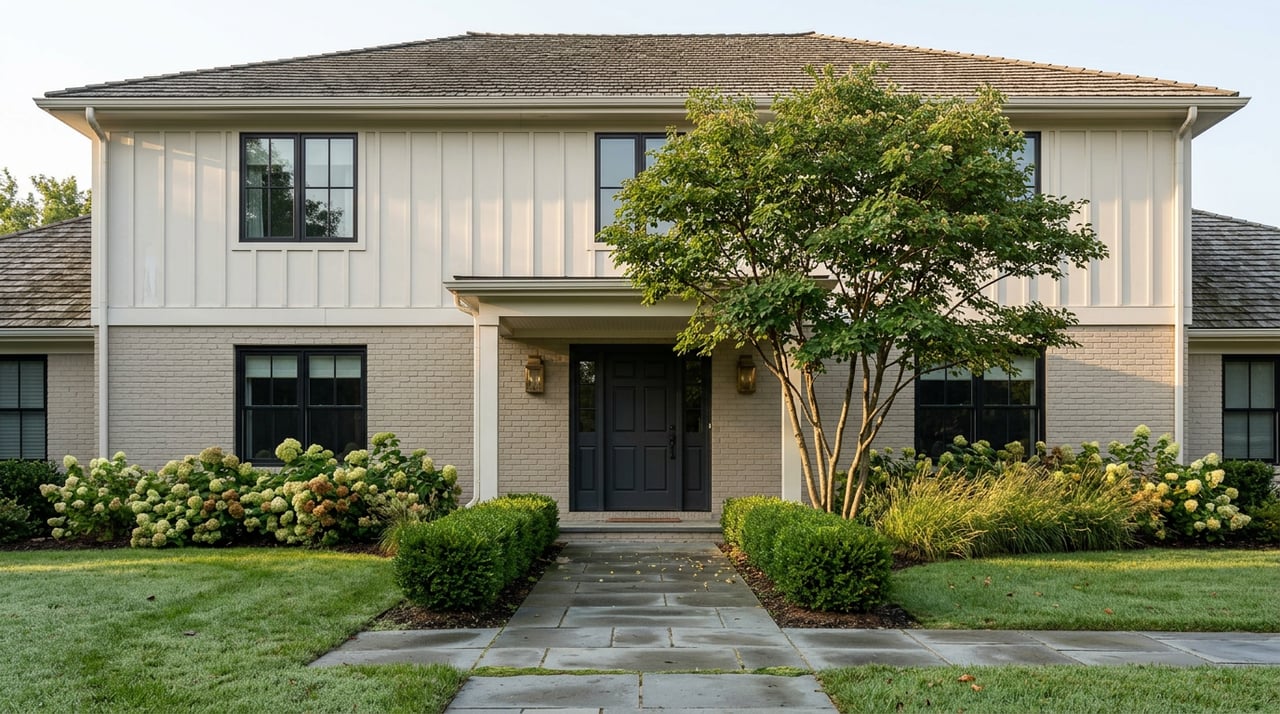
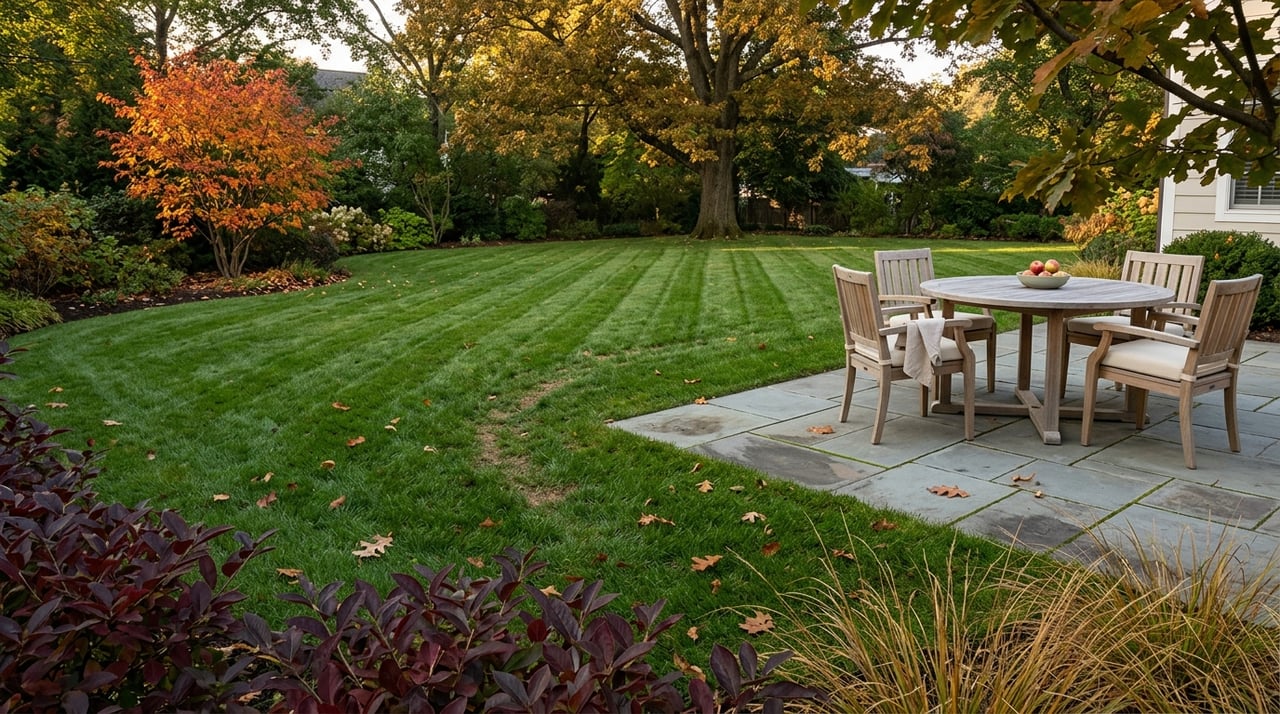
Geneva's historic homes, especially those in and around the North Geneva Historic District, carry a level of architectural detail that's difficult to replicate in newer construction. These homes sit on established, tree-lined streets close to downtown and the Fox River, with a scale and character shaped by decades of continuous use.
That character comes with real considerations too, since older systems and materials often need more attention than a newly built home would. Buyers drawn to this option are usually comfortable trading some predictability for a home with genuine architectural history behind it.
What to Expect From a Historic Geneva Home
- Original architectural details, like millwork, trim, and period windows
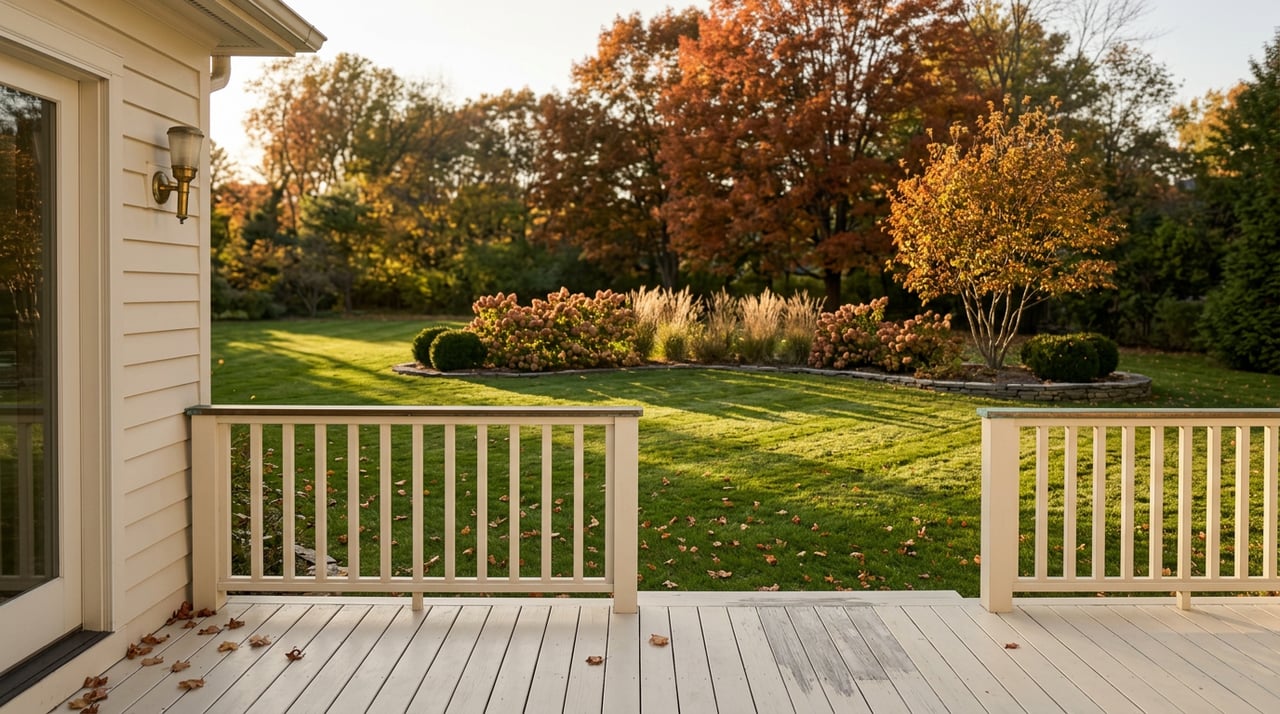
- Mature, established lots with large trees and established landscaping
- Proximity to downtown Geneva's Third Street shops and the riverfront
- Older mechanical systems that may need updating sooner than a new build
What New Construction Offers in Geneva
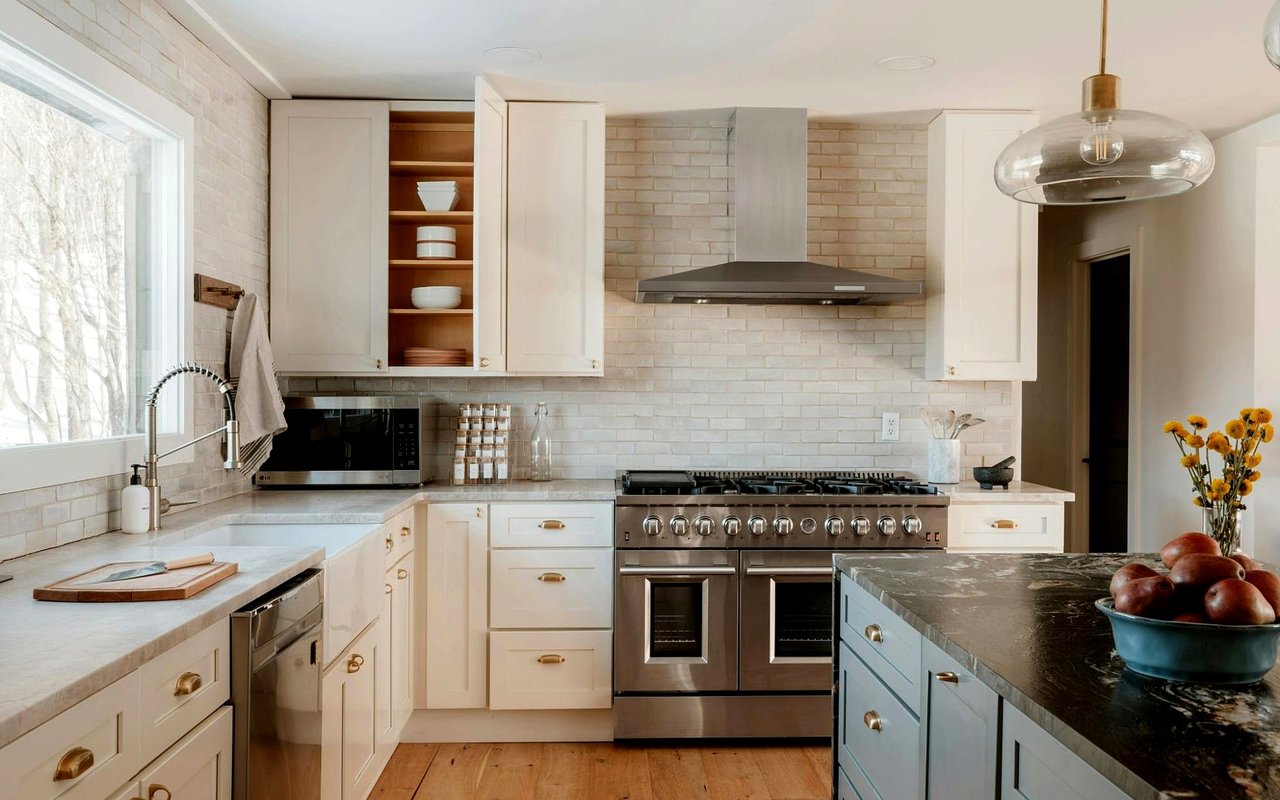
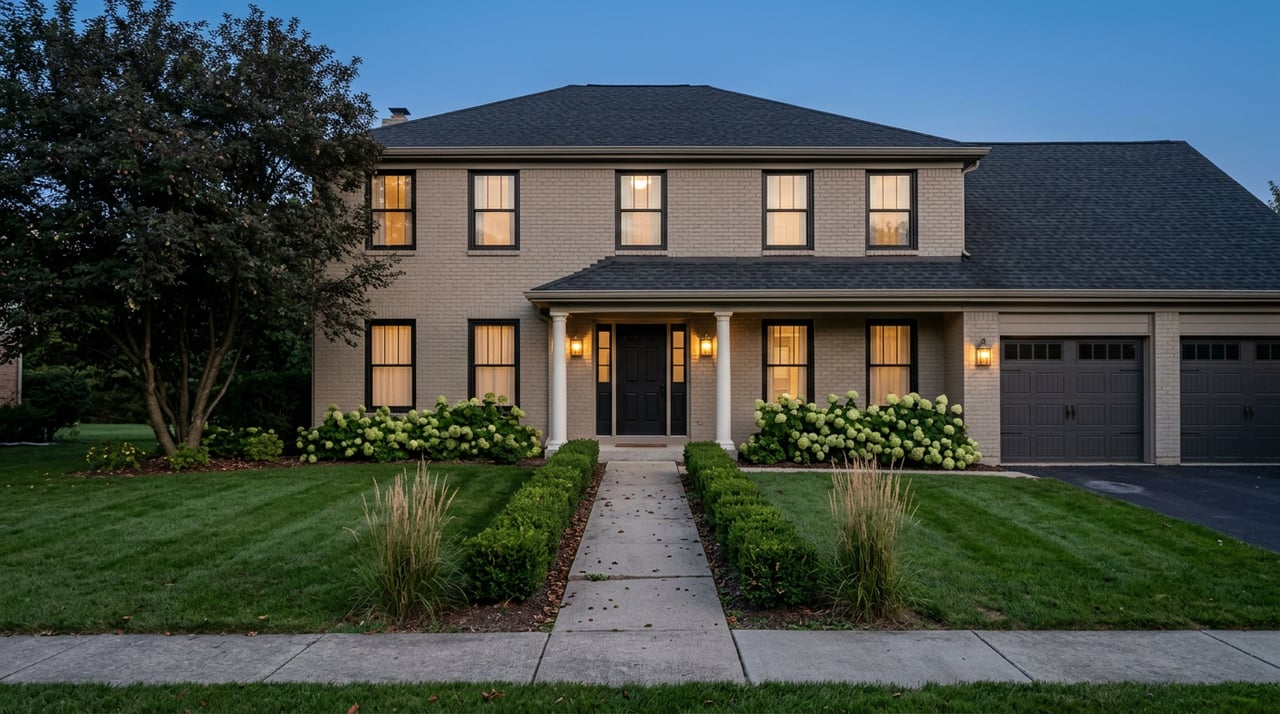
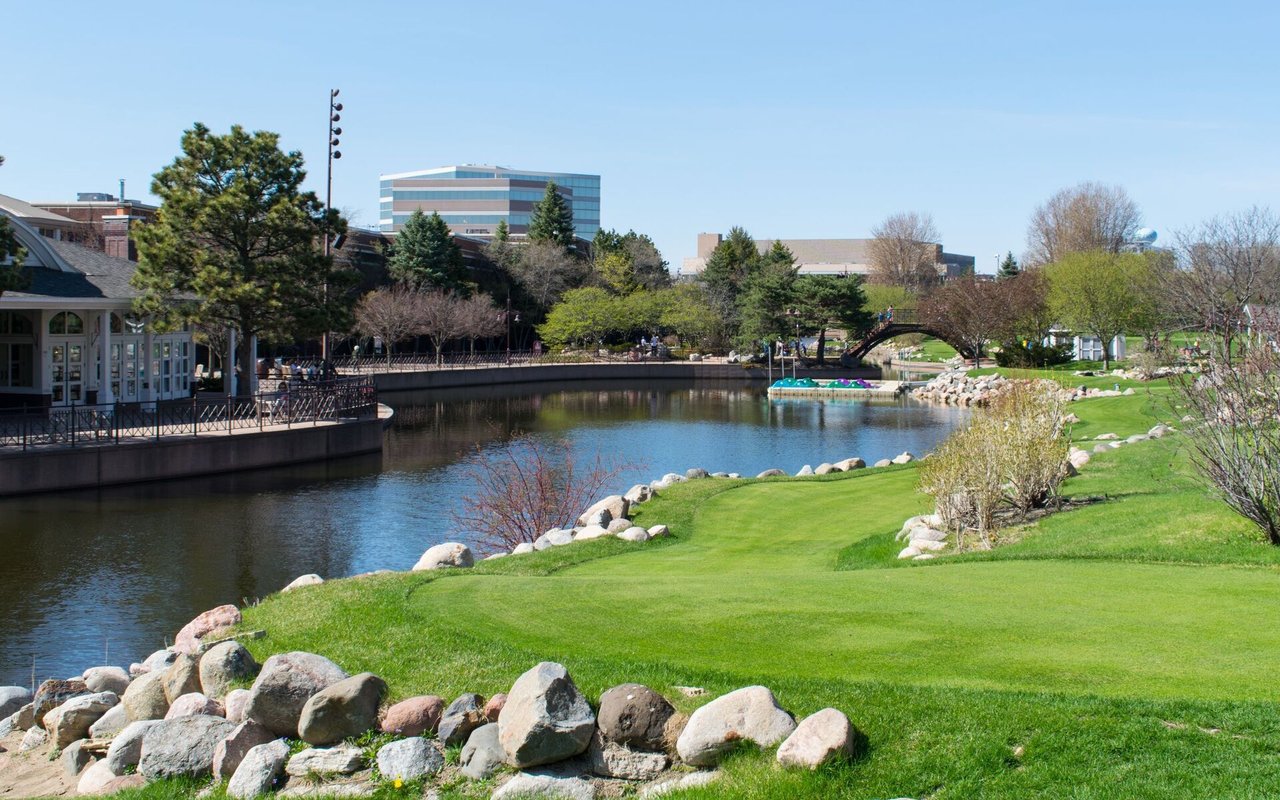
Newer construction in Geneva, particularly in communities like Mill Creek, takes a very different approach. These homes are built around current expectations for layout, efficiency, and amenities, often within a planned community that includes its own parks, ponds, and trails.
For buyers who want predictability and fewer surprises after move-in, that structure has real appeal, since most major systems and finishes start out brand new rather than decades old.
What to Expect From New Construction in Geneva
- Open, modern floor plans designed around how people live today
- Energy-efficient systems and materials built to current standards
- Shared community amenities, like trails and green space within the development
- Builder warranties that cover many major systems in the first several years
Comparing Costs: Upfront Price vs. Long-Term Investment
Price comparisons between historic and new homes in Geneva rarely stop at the initial sale price alone. A historic home might list for less per square foot, but budgeting for updates, whether that's electrical work or replacing original windows, can close that gap over time.
New construction often carries a higher upfront price but fewer immediate expenses, along with ongoing costs like homeowners association dues that historic homes typically don't have. It's worth running both scenarios side by side over a five- or ten-year horizon rather than comparing just the sale price alone.
Cost Factors Worth Comparing Side by Side
- Purchase price differences between comparable square footage in each option
- Likely renovation or system-update costs for an older historic home
- Homeowners association dues common in newer planned communities
- Long-term resale demand, since both historic and new homes attract steady interest in Geneva
How to Decide Which Fits Your Lifestyle Best
There's no universally right choice between historic character and new construction. The better question is how each option fits the way you actually want to live day to day, including how much time and effort you want to put into your home after closing. Being honest with yourself about these preferences upfront tends to save a lot of second-guessing later in the process, especially once you're comparing specific properties side by side.
Questions to Ask Yourself Before You Decide
- How much time and budget do you want to set aside for ongoing updates?
- Does being close to downtown Geneva and Third Street matter to your daily routine?
- Do you prefer a move-in-ready home or one you can gradually make your own?
- How do you feel about paying association dues in exchange for shared amenities?
FAQs
Are historic homes in Geneva harder to renovate?
Homes within the North Geneva Historic District may have additional guidelines for exterior changes, so it's worth understanding those before you buy. We can help you sort out what's involved before you commit to a specific property, including which updates typically require additional review.
Is Mill Creek the only new construction option in Geneva?
Mill Creek is the largest and most established planned community, but smaller new construction opportunities do come up around Geneva as well. We keep an eye on both and can point you toward whichever fits your search and your timeline.
Which option holds its value better over time?
Both historic and new homes in Geneva tend to hold steady demand, just from different types of buyers. We're glad to walk you through how each has performed over time so you can weigh that alongside your personal preferences and your longer-term plans for the property.
Contact the Kimberly Zahand Team Today
Whether you're drawn to the character of a historic Geneva home or the predictability of new construction in Mill Creek, the right choice comes down to your own priorities, not a one-size-fits-all answer. We'd love to help you weigh both sides with real, specific information about each option, not just a general gut feeling.
Reach out to the
Kimberly Zahand Team today to start touring both historic and new construction options across Geneva and the surrounding Fox Valley.