By Kimberly Zahand Team
Writing your first offer on a home in Naperville can feel like a lot all at once, especially if you're watching homes near the Riverwalk or downtown move quickly. We want you to feel prepared, not rushed, when that moment comes. A strong offer comes down to more than just the number you write down: it's about timing, terms, and how well you understand the market you're stepping into. Here's what every first-time buyer should know before submitting an offer in Naperville.
Key Takeaways
- Learn how to research the Naperville market before you write an offer
- Discover what makes an offer stand out to sellers here
- Understand which contingencies matter most and which are negotiable
- Know what typically happens in the days right after you submit an offer
Understanding Naperville's Market Before You Write an Offer
Every offer starts with research, and in a market like Naperville, that research matters more than usual. Homes near downtown, the Riverwalk, and the DuPage River tend to move differently than homes farther from the center of town, so the same offer strategy won't necessarily work in every neighborhood.
A home a short distance from Centennial Beach or Frontier Park might see very different buyer demand than one closer to the edge of town, even if the two properties look similar on paper. Before you write anything, it helps to have a clear, current picture of how your target area is actually behaving.
What to Research Before You Submit an Offer
- Recent comparable sales in the specific Naperville neighborhood you're targeting
- Average days on market for homes similar to the one you want
- Whether multiple-offer situations are common right now in that area
- Your mortgage pre-approval status and exactly how much you're approved to spend
Crafting an Offer That Stands Out to Naperville Sellers
Once you understand the market, the next step is building an offer that a seller will take seriously. Price is only one piece of that puzzle.
Sellers in Naperville, particularly in sought-after pockets near Frontier Park or the Riverwalk, often weigh the strength and clarity of an offer just as heavily as the top-line number. A clean, well-documented offer with minimal loose ends can sometimes beat out a slightly higher offer that leaves the seller with more open questions.
Elements That Strengthen a First-Time Buyer's Offer
- A pre-approval letter attached to your offer, not just a pre-qualification
- An earnest money deposit that signals you're serious about the purchase
- A clear, realistic closing timeline that matches the seller's needs
- An escalation clause, when appropriate, to stay competitive without overpaying upfront
Contingencies: What to Keep and What to Consider Waiving
Contingencies protect you as a buyer, but they can also affect how competitive your offer looks. The goal isn't to remove every protection just to win a bidding situation.
It's to understand what each contingency actually does so you can make an informed choice about which ones matter most for your situation. In a fast-moving market, some buyers shorten contingency timelines rather than remove the protections outright, which can be a reasonable middle ground.
Common Contingencies in a Naperville Offer
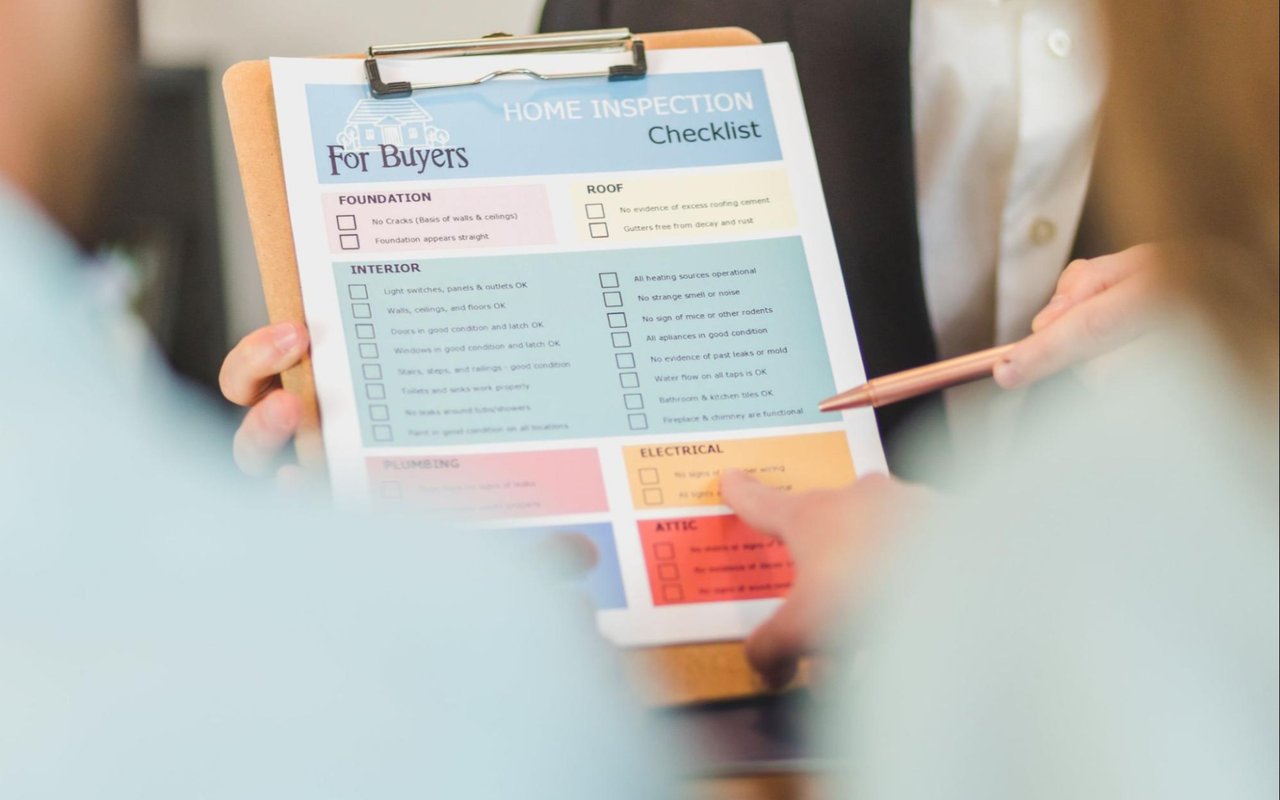
- The inspection contingency, which lets you evaluate the home's condition
- The financing contingency, tied to your ability to secure a mortgage
- The appraisal contingency, which protects you if the home appraises below your offer price
- A home sale contingency, if you need to sell your current home first
What Happens After You Submit Your Offer
Submitting your offer is just the beginning of a fairly structured process. Understanding what comes next can make the following days feel far less uncertain, especially if you're navigating this for the first time.
Every step, from the seller's initial response to the final walkthrough before closing, follows a fairly predictable order once your offer is accepted.
Typical Next Steps Once Your Offer Is In
- The seller reviews your offer and responds, accepts, or counters within a set window
- Any counteroffer negotiation happens on terms like price, dates, or contingencies
- You submit your earnest money deposit according to the agreed-upon deadline
- You move into attorney review and inspection periods once the offer is accepted
FAQs
How much earnest money should I offer in Naperville?
Earnest money amounts vary, but it's common to see deposits in the range of one to two percent of the purchase price in competitive markets. We can help you decide on an amount that fits your budget while still signaling seriousness to the seller, since the right number can shift depending on the specific listing and how much interest it's attracting.
Should I waive my inspection to compete with other offers?
We generally recommend keeping your inspection contingency, even in a competitive situation, since it protects you from unexpected repair costs. There are other ways to strengthen your offer without giving up that protection entirely.
How quickly do sellers usually respond to offers in Naperville?
Response times vary by seller and situation, but many respond within 24 to 48 hours, especially when multiple offers are involved. We'll help you build in the right expectations based on the specific listing, including whether the seller has set a formal offer deadline.
Contact the Kimberly Zahand Team Today
Making your first offer in Naperville doesn't have to feel like guesswork. With the right preparation, from understanding the local market to structuring your terms carefully, you can move forward with real confidence instead of second-guessing every single decision along the way.
Reach out to the
Kimberly Zahand Team today, and let's talk through your Naperville home search from start to finish and get your offer strategy in place.