Naperville vs Oswego Real Estate: Which Move Fits You?
October 22, 2026
October 22, 2026
Western Suburbs Relocation Guide
Naperville’s median home value is $509,900 versus $319,000 in Oswego, per the Census. Naperville has two Metra stations and a larger downtown, while Oswego has newer subdivisions and one school district. Oswego’s typical tax bill is lower in dollars, but its effective rate on home value is higher.
See homes for sale in Naperville and set up a private showing with the team.
Browse Naperville ListingsFind out what your Naperville home is worth with a free Comparative Market Analysis.
Get My Home ValueComparison | Naperville, IL | Oswego, IL | What It Means |
|---|---|---|---|
Population (2020 Census) | About 149,500 | About 34,600 | Naperville is a regional hub; Oswego is a much smaller village |
Median home value | $509,900 | $319,000 | Oswego's typical home value is about $190,900 lower |
Median household income | $150,937 | $119,881 | Naperville incomes run about 26% higher |
Estimated median property tax | About $10,001 a year (1.96% effective rate) | About $8,141 a year (2.55% effective rate) | Oswego's dollar bill is lower, but its rate on home value is higher |
Public schools | Districts 203 and 204, plus a small part in Plainfield 202 | Oswego CUSD 308, serving all of Oswego | One district in Oswego; check the address in Naperville |
Commuter rail | Two Metra BNSF stations: Naperville and Route 59 | No Metra station in Oswego; commuters use Aurora or Route 59 | Naperville is easier for daily rail commuters |
Counties | DuPage and Will | Mostly Kendall, with a portion in Kane | Tax rates and assessors differ by county |
Population, home value, and income come from U.S. Census Bureau QuickFacts. Tax figures are estimates derived from Census place-level statistics, so confirm the bill for any parcel with the county. Metra station details are from Metra’s BNSF line.[1]
Western Suburb Lifestyles Compared
Naperville and Oswego are both popular choices for families who want good schools and a suburban setting, but they feel different day to day. Naperville is a large, established city of about 149,500 residents with a walkable downtown organized around the Riverwalk and two Metra stations. Oswego is a village of about 34,600 on the Fox River, with a smaller historic downtown and newer subdivisions around it.[2]
Oswego has grown quickly. District 308 reports its enrollment more than doubled since 2003, and it now serves nearly 17,000 students across about 68 square miles. That growth shows up in the housing stock, which skews newer than much of Naperville.
The right choice depends on your commute, your budget, and how much you value walkability. This guide compares housing costs, commute, schools, and property taxes using sourced figures, and flags what to verify for any specific address.
Strategic Decision Factors
Compare housing, rail access, school systems, and tax estimates across both communities.
The Census puts Naperville's median home value at $509,900 and Oswego's at $319,000, a gap of about $190,900. Median household income is $150,937 in Naperville and $119,881 in Oswego.
Much of Naperville is already built out, so many purchases are resales or rebuilds. Oswego has more newer subdivisions, including Churchill Club, that tend to offer larger floor plans at lower prices.[3]
Naperville has two Metra BNSF stations, Naperville downtown on 4th Avenue and Route 59 on the Aurora border. As of October 2025, Route 59 was the busiest of Metra's 236 non-downtown stations, and Naperville was second.
Oswego has no Metra station of its own. Rail commuters usually drive to Aurora or the Route 59 station, so test the drive and the parking at the hour you would travel. Local sources describe express trains from Naperville as about 35 to 40 minutes to Union Station.
Naperville is served by Naperville CUSD 203 and Indian Prairie CUSD 204, with a small southern portion in Plainfield CCSD 202. Oswego is served by Oswego CUSD 308, the seventh largest district in Illinois, with 13 elementary schools, 5 junior highs, and 2 high schools.
District 308 covers about 68 square miles and includes all of Oswego plus parts of Montgomery, Aurora, Plainfield, Joliet, and Yorkville. Always verify the assigned schools for a specific address.[4]
Census-based estimates put Naperville's median property tax bill near $10,001 a year, about 1.96% of home value, and Oswego's near $8,141, about 2.55%. Oswego's bill is lower in dollars because homes cost less, but its rate on home value is higher.
As an illustration, a $500,000 home at those rates would carry roughly $9,800 a year in Naperville and $12,750 in Oswego. Actual bills depend on the parcel, exemptions, and taxing districts, and the Will County side of Naperville can run higher than the DuPage side.
Strategic Relocation Advisory
Compare by rate, by route, and by address, not by headline numbers.
Search portals show a price and a tax number, but they rarely show what the two cost together or how a commute really works. Three checks help when you are deciding between these two communities.
Compare taxes as a rate, not a bill. A lower dollar bill can come with a higher rate. Ask for the actual tax bill and the exemptions on any home you tour, and compare similar-value homes.
Test the commute at the real hour. If you use Metra, compare the drive to the station, the parking, and the train times against your schedule. Oswego commuters rely on Aurora or Route 59.
Verify schools by address. Naperville is split between districts and Oswego is served by District 308. Confirm the assigned elementary, junior high, and high school before you make an offer.
Search By Community
Browse active listings in both communities, or read each neighborhood guide first:
Official records are published by the City of Naperville and the Village of Oswego. School information is available from Oswego District 308, Indian Prairie District 204, and the Illinois State Board of Education. Real estate aggregator listings on Zillow or Realtor.com do not show actual tax bills, commute times, or assigned schools.
Western Suburbs Relocation Resources
Review neighborhood guides, school breakdowns, and valuation tools across the western suburbs.
Local Relocation Authority
Naperville & Fox Valley Real Estate Specialists
Led by top-producing broker Kimberly Zahand, The Kimberly Zahand Team at Keller Williams Innovate provides buyer representation and property marketing across Naperville, Oswego, Plainfield, and the Fox River Valley. Our team helps relocating clients compare taxes, commute, and school assignments by address before they decide.
Office: Keller Williams Innovate | Direct: (630) 450-4100 | Serving Western Chicagoland
Frequently Asked Questions
Oswego is more affordable on typical prices. The Census puts Oswego's median home value at $319,000 versus $509,900 in Naperville, a gap of about $190,900. Compare similar homes rather than medians, since size and age differ.
Naperville. It has two Metra BNSF stations, Naperville downtown and Route 59, while Oswego has no station and commuters usually drive to Aurora or Route 59. Check Metra's current BNSF schedule for train times.
Naperville is served by Districts 203 and 204, with a small part in Plainfield 202, and Oswego is served by District 308, the seventh largest district in Illinois. Schools are assigned by address, so confirm them with the district for any home.
Census-based estimates put Naperville's median bill near $10,001 (about 1.96% of home value) and Oswego's near $8,141 (about 2.55%). Oswego's bill is lower in dollars because homes cost less, but its rate on home value is higher. Always check the actual bill on a specific home.
Naperville's downtown is much larger, built around the Riverwalk with many restaurants and shops. Oswego's downtown is a smaller, historic riverfront district. Visit both on a weekend to see which fits your routine.
Naperville had about 149,500 residents in the 2020 Census and a median household income of $150,937. Oswego had about 34,600 residents and a median household income of $119,881.
Fiduciary Real Estate Representation
Connect with Kimberly Zahand and our team for private home tours, a side-by-side cost comparison, or a market valuation of your current home.
Stay up to date on the latest real estate trends.

Discover the best pet-friendly spaces, parks, and local spots in Naperville, IL.

These local restaurants have great brunch menus and atmospheres.

From Designer Outlets to Curated Boutiques and Cultural Markets, Aurora's Shopping Scene Has Something for Every Taste.

The Best Parks in Geneva, IL, and What Makes Each One Worth Visiting.
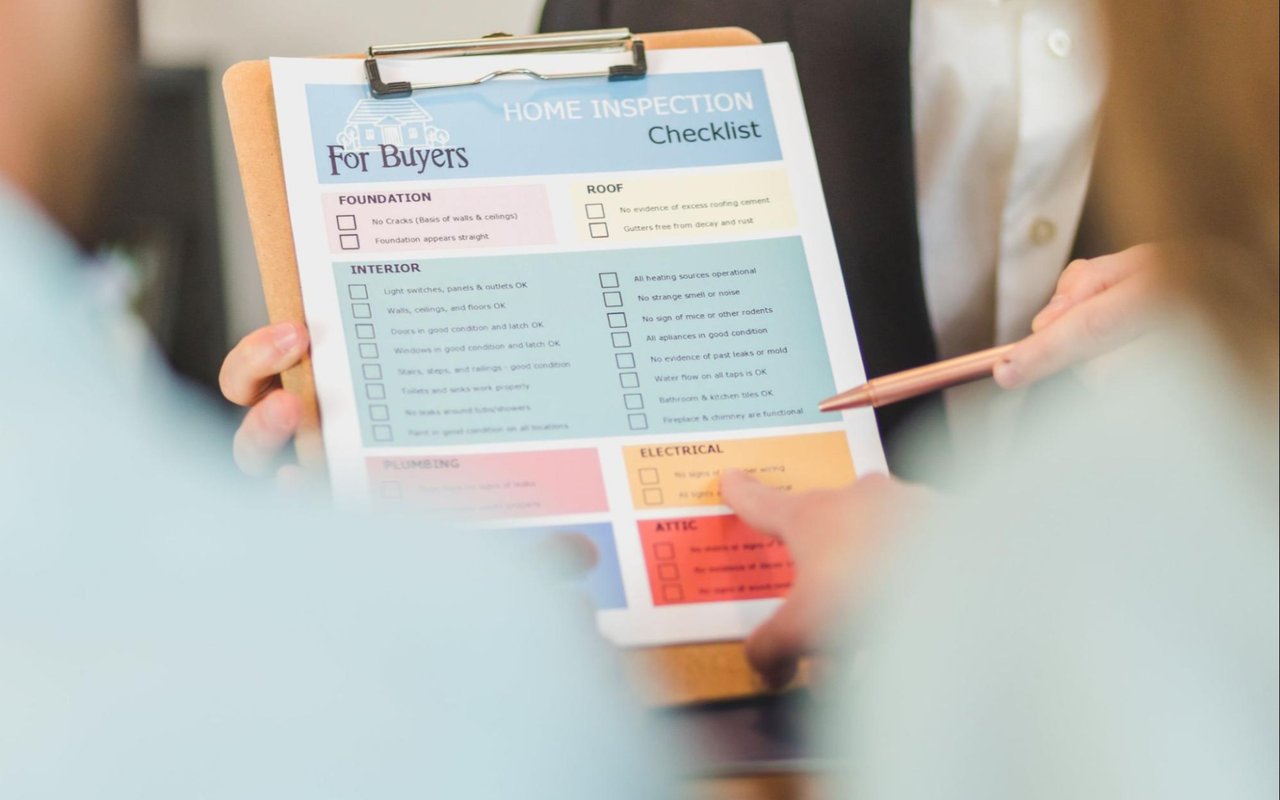
What every Naperville homebuyer should know before, during, and after the inspection.

A Clear, Neutral Guide for Homebuyers Navigating District 203 and District 204
Get assistance in determining current property value, crafting a competitive offer, writing and negotiating a contract, and much more. Contact us today.