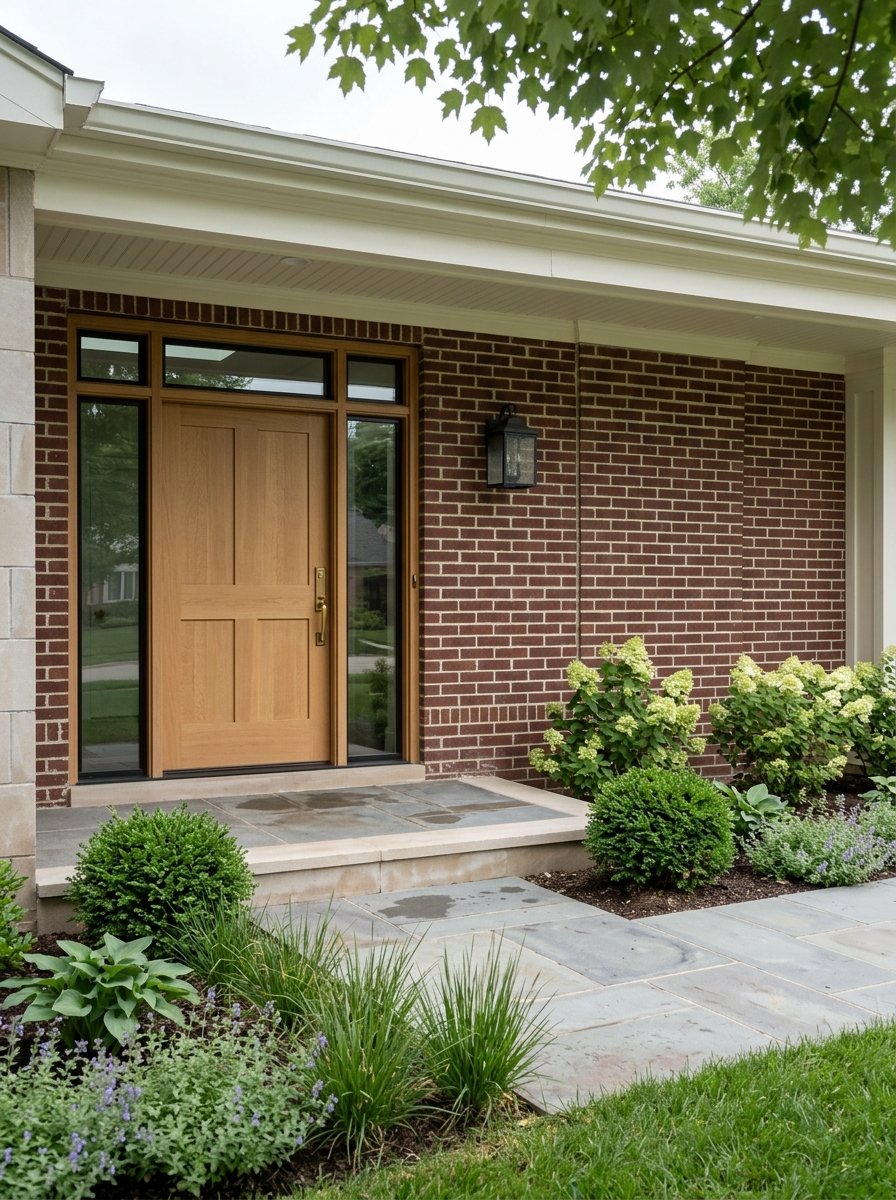
Choosing Between Historic And Newer Homes In Geneva
June 11, 2026
June 11, 2026
If you are torn between a charming older home and a more modern build in Geneva, you are not alone. This is one of the most common trade-offs buyers face in a city known for both architectural history and practical suburban living. The good news is that the right choice usually becomes clearer once you understand how character, upkeep, efficiency, and local rules fit your lifestyle. Let’s dive in.
Geneva has deep architectural roots. The city traces its history back to 1835 and highlights more than 180 years of history, culture, and architecture. It also has one local historic district with about 670 properties, along with Central Geneva and North Geneva historic districts that are listed in the National Register of Historic Places.
That local context matters because buying in Geneva is not just about square footage or finishes. It is also about how a home fits into the city’s preservation framework, especially if the property is locally designated. In a market where owner occupancy is 85.1% and the median owner-occupied home value is $441,400, many buyers are thinking carefully about both lifestyle fit and long-term value.
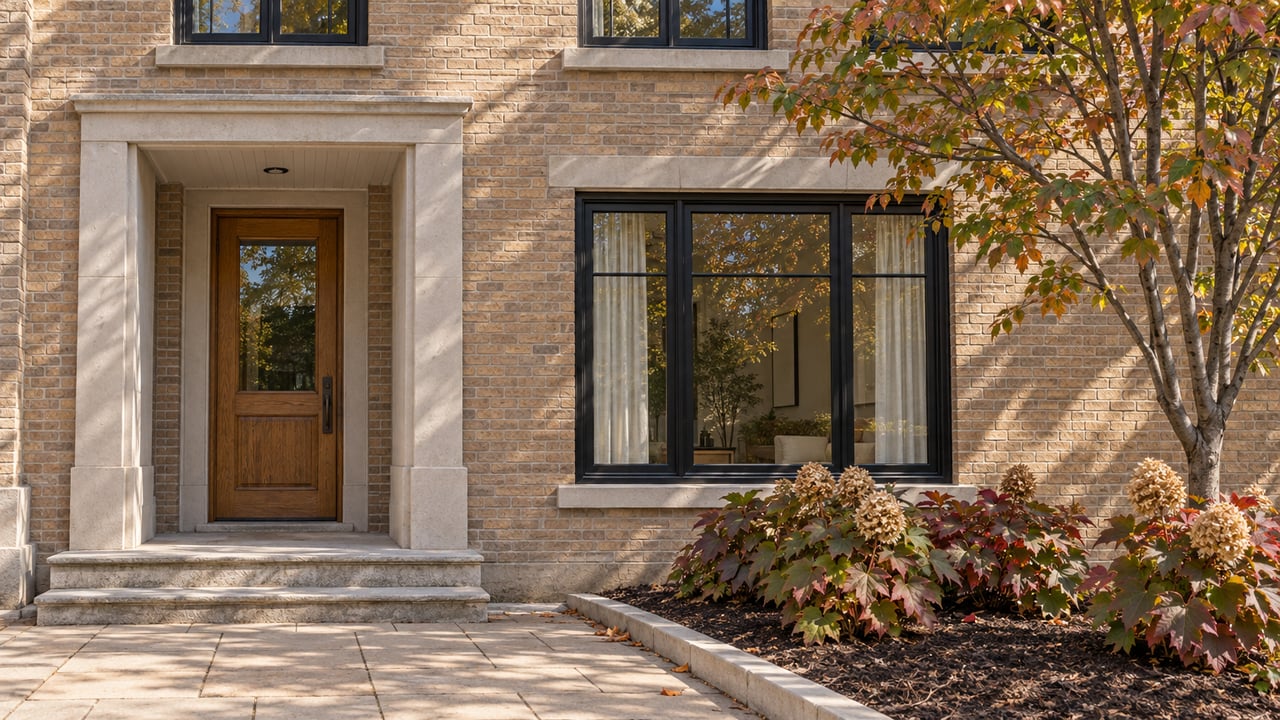
For many buyers, a historic home delivers something newer construction cannot easily copy. You may find original millwork, distinctive facades, traditional room layouts, and architectural details that reflect the era when the home was built. In Geneva, that can feel especially meaningful because the city actively preserves its historic character.
Older homes also tend to offer a different kind of streetscape experience. The appeal is often about the full setting, including established blocks, mature surroundings, and homes that feel visually distinct from one another. If you value that sense of texture and personality, a historic property may be a strong fit.
Historic homes often follow older design patterns. That may include rectangular floor plans, central stair halls, and more separated living spaces rather than the open layouts many buyers expect today.
For some buyers, that is part of the charm. For others, it creates a renovation question. If you want wide-open living, dining, and kitchen flow, you will want to think carefully about whether the home already works for you or whether changes would be needed later.
In Geneva, one of the biggest things to understand is the difference between recognition and regulation. A National Register listing is honorary recognition only. It does not protect a property from changes or demolition.
Local designation is what triggers review. If a home is locally designated, the Historic Preservation Commission must review and approve certain exterior changes before a building permit is issued.
If you are considering a historic property, do not assume every older home is subject to the same process. A home can be old without being locally designated. That distinction is one of the most important questions to answer early.
For designated historic properties in Geneva, exterior work that may require review includes:
That does not mean you cannot improve the home. Geneva’s design guidelines are meant to preserve historically significant resources while still allowing adaptation, maintenance, and improvement. It does mean the process may take more planning if your goals involve exterior updates.
Not every project triggers preservation review. Geneva notes that interior work and routine maintenance generally are not reviewed. Examples include exterior painting, gutter repair, and landscaping.
That is helpful if you love the look and story of a historic home but want to make practical updates inside. You may have more flexibility there than you first expect.
A historic home inspection should go beyond a quick surface-level walk-through. Guidance for historic homes recommends taking a close look at the roof, chimney, walls, porch, windows, doors, floors, basement, systems, and attic.
That matters because the real question is not just whether the home is beautiful today. It is whether you are comfortable with the maintenance and repair path that may come with older construction. Moisture issues, aging systems, and exterior elements can all affect your short-term budget.
If you are comparing a historic home in Geneva, keep these questions front and center:
Geneva approved a residential facade grant program in April 2026 to help owners of designated residences use historically appropriate materials, especially for items like windows and siding. That can be meaningful support for the right buyer.
If your priority is lower-maintenance ownership, newer homes often feel simpler from day one. They typically start with more modern mechanical systems, a tighter building envelope, and features designed for current expectations around comfort and function.
That can make a real difference when you are balancing work, family, moving logistics, or a tight timeline. Instead of planning around repairs or adaptation, you may be able to focus more on settling in and enjoying the space.
One of the clearest benefits of newer homes is efficiency. ENERGY STAR certified new homes are independently verified to be at least 10% more efficient than homes built to code. They also must meet requirements for insulation, windows, air sealing, and HVAC systems.
For you, that can translate to a home that feels more predictable in both comfort and upkeep. It can also reduce the uncertainty that sometimes comes with older homes where major systems may need replacement sooner.
Many buyers prefer newer homes because the layout already fits how they live. Open kitchens, connected gathering spaces, larger storage areas, and more contemporary mechanical systems can make the home feel move-in ready without a long list of projects.
That convenience has value. ENERGY STAR also reports that studies indicate sales-price premiums of up to 8% for certified and similarly efficient homes, which supports the idea that efficiency and turnkey appeal matter to buyers.
Both historic and newer homes can be compelling in Geneva, but they tend to attract different buyer pools. Historic homes often hold strong appeal for buyers who value architectural detail and preserved character. Geneva’s active preservation approach helps support that niche appeal.
At the same time, a more specialized home can appeal to a narrower audience. Newer homes usually speak to buyers looking for efficiency, convenience, and fewer immediate projects, which can make them easier for a broader group of buyers to understand quickly.
The best choice usually comes down to what you want your ownership experience to feel like.
Choose a historic home if you value:
Choose a newer home if you value:
Neither option is better across the board. The better option is the one that matches your time, budget, renovation appetite, and long-term plans.
When buyers compare historic and newer homes, the biggest mistake is focusing only on appearance. The smarter approach is to compare the full ownership picture, including maintenance, approval processes, efficiency, and future resale appeal.
That is especially true in Geneva, where local designation can affect what you can do on the exterior of a home. If you are considering both types of properties, it helps to evaluate them side by side with a clear plan for inspections, renovation priorities, and realistic costs.
A strategy-led approach can help you avoid buying a home that looks perfect at first glance but feels frustrating once you live in it. It can also help you spot the right opportunity when a home’s strengths align with your goals.
If you are weighing historic charm against modern convenience in Geneva, the right guidance can make the decision much easier. The team at Kzahand, Inc can help you compare homes with a clear strategy, strong local insight, and support that keeps your goals front and center.
Stay up to date on the latest real estate trends.

Discover the best pet-friendly spaces, parks, and local spots in Naperville, IL.

These local restaurants have great brunch menus and atmospheres.

From Designer Outlets to Curated Boutiques and Cultural Markets, Aurora's Shopping Scene Has Something for Every Taste.

The Best Parks in Geneva, IL, and What Makes Each One Worth Visiting.
What every Naperville homebuyer should know before, during, and after the inspection.

A Clear, Neutral Guide for Homebuyers Navigating District 203 and District 204
Get assistance in determining current property value, crafting a competitive offer, writing and negotiating a contract, and much more. Contact us today.