By The Kimberly Zahand Team
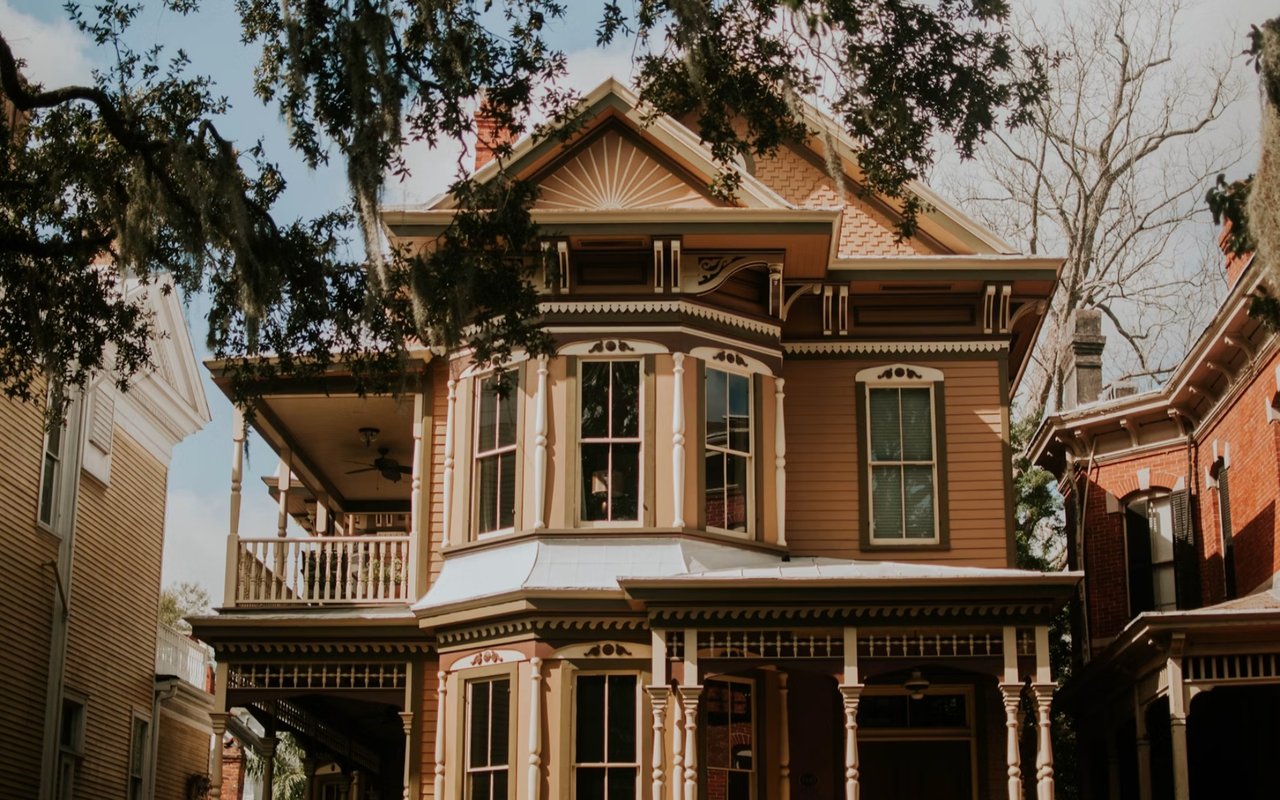
Geneva, Ill., was established in 1835, and the architecture accumulated since reads like a primer on American residential design. There are Greek Revival churches from the 1840s, Italianate homes from the 1850s, Prairie School houses by Frank Lloyd Wright, and Victorian homes along Third Street adapted into boutique shops beginning in the 1940s.
Geneva's local architecture and historic districts just feel different from other Fox Valley suburbs, adding texture to daily life there.
Key Takeaways
- Two National Register districts: The Central Geneva Historic District and North Geneva Historic District were both added to the National Register in 1979, expanded in 2017, covering a combined 263 buildings and structures
- Frank Lloyd Wright's Geneva connection: The P. D. Hoyt House (1906, Prairie School) is privately owned; Fabyan Villa on the Fox River (1907) is a Wright remodel on the Kane County Forest Preserve property and is open as a museum
- Architectural range across three centuries: The historic districts showcase Greek Revival, Italianate, Gothic Revival, Federal Revival, Neoclassical, and Prairie School alongside vernacular frame residences from 1840 to 1900
- Third Street as a living preservation story: Preservation in Geneva began in the 1940s when Third Street residences were adapted for boutique shops and tea rooms
The Historic Districts and Their Architecture
Geneva's architectural identity is anchored by two adjoining National Register historic districts covering most of the town as originally platted.
What the Historic Districts Contain
- Central Geneva Historic District: 102 buildings on 67 acres in the southern half of the original settlement; 68 contributing properties; principally residential with a commercial sector along West State Street; styles include Greek Revival, Italianate, Classical Revival, and vernacular frame
- North Geneva Historic District: 161 buildings on 72 acres in the northern portion of the original settlement; 150 contribute to the district's integrity; styles include Greek Revival, Italianate, and Prairie School
- Standout buildings by era: The Unitarian Church (1843, Greek Revival) and Eben Conant House (1844) represent Geneva's earliest period; the Augustus Herrington House (c. 1851, Italianate), Plato House (1857, Italianate), and Loveday House (c. 1869, Gothic Revival) define the mid-century; the Kane County Courthouse and P. D. Hoyt House (1906, Prairie School) anchor the early 20th-century layer
Together, these districts make Geneva one of the most architecturally intact 19th-century communities in the Chicago metro.
Frank Lloyd Wright's Geneva Legacy
Geneva has a deeper Frank Lloyd Wright connection than most people realize. Each of the two buildings has its own story about how Wright's influence entered the local architectural community.
Wright's Two Geneva Buildings
- P. D. Hoyt House (318 S. Fifth Street, 1906): A privately owned Prairie School residence — two-story square floor plan, central broad chimney, low-pitched hip roof with broad overhanging eaves, and characteristic "H" design in the windows; built by brothers August and Oscar Wilson; the current owner received a Spirit Award from the Frank Lloyd Wright Conservancy in 2024
- Fabyan Villa (Fox River, remodeled 1907): Wright redesigned an existing farmhouse for Colonel George Fabyan into a cruciform Prairie-style country house, adding a south wing, three verandas, and large eaves; the Kane County Forest Preserve District operates it as a museum
The Wright connection gives Geneva's architecture a depth that distinguishes it from other Fox Valley towns.
Third Street and the Living Preservation Story
The most visible expression of Geneva architecture along Third Street requires knowing the preservation story that began there in the 1940s.
How Third Street Became Geneva's Architectural Showcase
- Preservation begins mid-century: Preservation in Geneva began in the 1940s when Third Street residences were converted into boutique shops and tea rooms
- Victorian homes as commercial anchors: The Third Street buildings that now house over 100 specialty shops reflect a preservation ethic sustained for more than 80 years; maintained and restored rather than replaced, they produce the walkable streetscape that makes Geneva's downtown one of the most recognized in Illinois
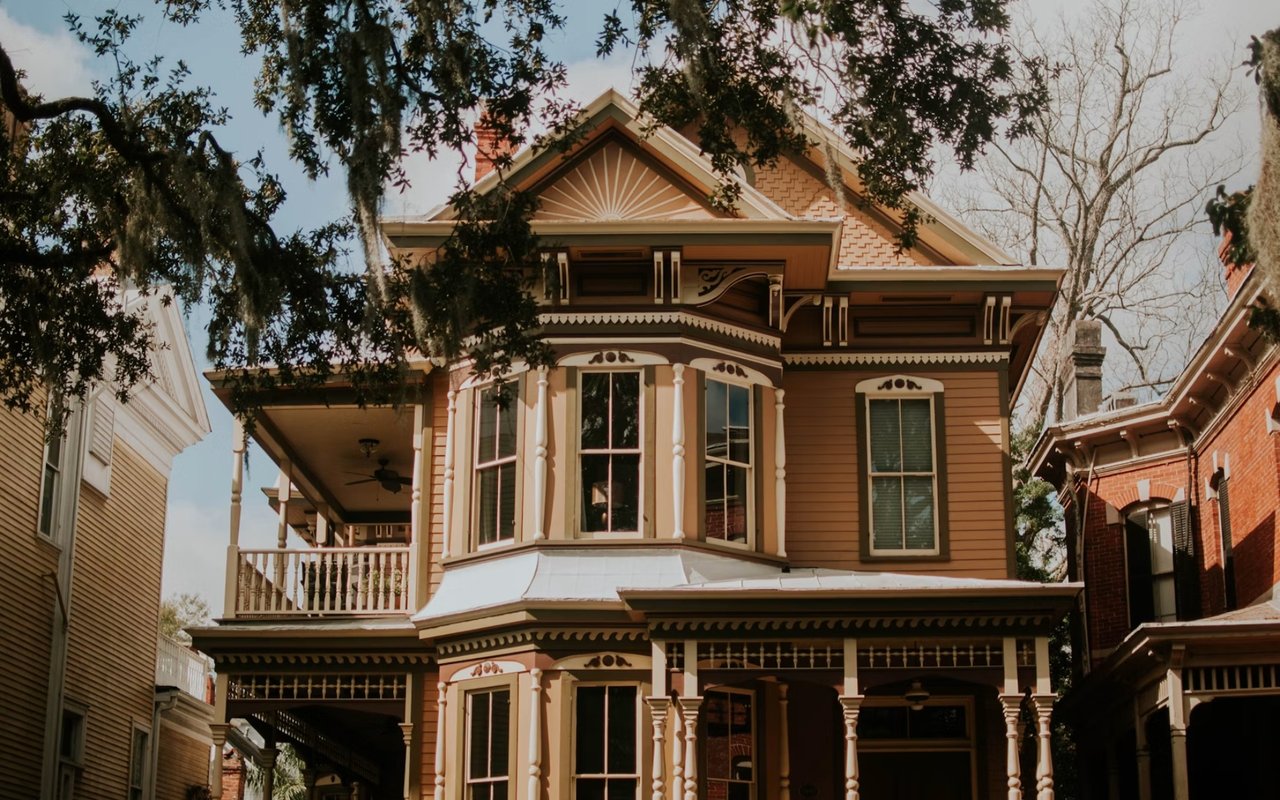
- Styles on the street: Arts and Crafts bungalows, Victorian homes with gingerbread trim, and Greek Revival structures stand alongside one another on the same blocks
Third Street is the most common entry point for buyers new to Geneva. The streetscape creates the first impression and signals what the broader community values.
FAQs
Can buyers access or tour the Frank Lloyd Wright buildings in Geneva?
The P. D. Hoyt House at 318 S. Fifth Street is privately owned, though it can be viewed from the street. Fabyan Villa on the Fox River is operated as a museum by the Kane County Forest Preserve District and is open to the public.
How does the historic district designation affect homeowners?
Properties within Geneva's historic districts are subject to Historic Preservation Commission review for exterior changes visible from public rights of way. For buyers, the practical effect is a neighborhood where architectural consistency is actively protected, supporting property values and limiting incompatible new construction.
What makes Geneva's architecture different from other Fox Valley communities?
Two National Register historic districts, two Frank Lloyd Wright buildings, a Wilson Brothers architect lineage, and a Third Street preservation story stretching back to the 1940s give Geneva an architectural depth that most Fox Valley communities do not have.
Contact the Kimberly Zahand Team Today
Geneva's architectural heritage comes up in almost every buyer consultation we have. We at the Kimberly Zahand Team know where the best-preserved historic homes are, which neighborhoods sit within the National Register districts, and how the local architecture Geneva has sustained translates to the real estate market.
Contact us at the
Kimberly Zahand Team, and we will help you find the Geneva home that connects you to the architectural legacy this community has spent 180 years building.