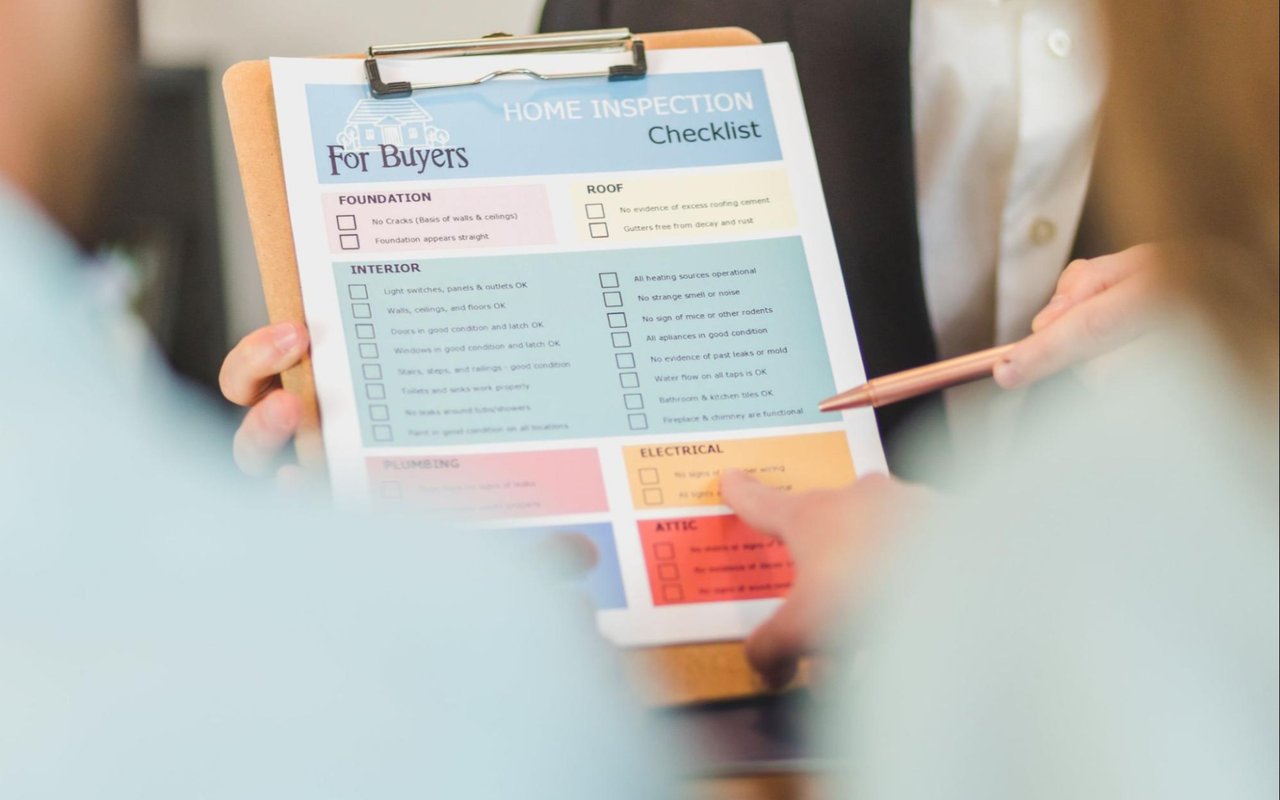
What to Know About the Home Inspection Process in Naperville, IL
Kimberly Zahand October 21, 2026
Kimberly Zahand October 21, 2026
Naperville IL Homebuyer Guide
A Naperville home inspection is a visual review of the roof, foundation, heating and cooling, electrical, and plumbing that usually takes two to four hours. Buyers often add radon testing and a sewer camera scope. In the standard Illinois contract, the inspection and attorney review periods run about five business days from acceptance.
This guide is general information, not legal advice. Deadlines depend on your signed contract, so confirm them with your attorney. Inspections are performed by independent licensed inspectors, not by our team.
See homes for sale in Naperville and set up a private showing with the team.
Browse Naperville ListingsFind out what your Naperville home is worth with a free Comparative Market Analysis.
Get My Home ValueInspection Area | What Is Reviewed | Why It Matters in Naperville | What to Ask |
|---|---|---|---|
Roof, attic, and chimney | Shingles, flashing, gutters and downspouts, attic ventilation and insulation | Freeze and thaw cycles and heavy snow are hard on roofs and gutters | Ask how much life the roof has left and whether any repairs are urgent |
Foundation and basement moisture | Foundation walls, cracks, signs of past water, sump pump, battery backup, sewer ejector pit | Finished basements are common, so water control matters | Ask the inspector to test the sump pump and note any past water staining |
Heating, cooling, electrical, and plumbing | Furnace, air conditioner, water heater, panel and service size, outlets, visible plumbing | Equipment age drives near-term replacement costs | Ask for the age of each major system and expected remaining life |
Radon testing (optional add-on) | A test, usually run for at least 48 hours in the lowest livable level | Illinois requires sellers to provide radon information and a disclosure before the buyer is bound | If results are at or above 4.0 pCi/L, ask about mitigation |
Sewer line camera scope (optional add-on) | A camera runs through the lateral line between the house and the street | Older lines and mature trees raise the odds of roots or damage | Consider a scope on older homes or homes with large trees near the line |
Radon requirements come from the Illinois Radon Awareness Act and the U.S. EPA. Contract timing reflects the Multi-Board Residential Real Estate Contract used across Northern Illinois; the form version and dates in your signed contract control.[1]
Illinois Real Estate Due Diligence
In much of Northern Illinois, home purchases use the Multi-Board Residential Real Estate Contract. It typically gives buyers an attorney review period and an inspection period that both run about five business days from the date the contract is accepted. Both clocks start at once, so buyers usually book an inspector right away.[2]
A licensed inspector spends two to four hours walking the home and checking the roof, attic, foundation, basement, heating and cooling, electrical, and plumbing, then writes a report with photos. Inspectors give a visual, non-invasive review of what they can safely see and reach. They do not open walls or guarantee what they cannot see.
After the report, your attorney and agent help you decide what to ask the seller to do. In practice, buyers focus on safety, structure, and major systems rather than cosmetic items, and the contract sets the process and deadlines for requesting repairs, credits, or a price change.
Core Diagnostic Categories
Review what each part of the inspection covers and what to ask about it.
Inspectors check the roof covering, flashing, gutters and downspouts, chimney, siding, and the grading around the foundation. In the attic they look at ventilation, insulation, and signs of moisture or past leaks.
Ask the inspector to explain which items are urgent and which are routine maintenance, and ask for the approximate age and remaining life of the roof.[3]
Because finished basements are common, inspectors pay close attention to the foundation walls, signs of past water, the sump pump, and any battery backup. Hairline cracks are common, while larger or shifting cracks deserve a closer look by a specialist.
A sump pump only helps if it works during a storm, so ask whether there is a battery backup and when the pump was last replaced. Your insurance agent can tell you whether water backup is covered.
Inspectors test the heating and cooling equipment, note the age from the data plate, check the water heater, and review the electrical panel, service size, and outlets, including ground-fault protection where needed.
Older equipment is not automatically a problem, but it affects your budget. Ask the inspector how much life each major system likely has left, and get a contractor estimate for anything flagged as a safety concern.[4]
Radon is a naturally occurring gas that can build up in basements. Illinois requires sellers to give buyers the state's radon testing guidelines and a radon disclosure before the buyer is bound by the contract. The EPA recommends fixing a home when results are at or above 4.0 pCi/L, and a mitigation system is a common request when results are high.
A sewer scope sends a camera through the lateral line to the street to look for roots, breaks, or sags. Costs vary by company, so ask inspectors for quotes, and check the timing so the results arrive before the contract deadline.
Strategic Buyer Due Diligence
Home age, seller disclosures, and the timeline decide how much an inspection matters.
Listing sites show a price and photos, but they do not show a home's condition. Four steps help buyers use the inspection well.
Read the seller's disclosure first. Illinois sellers of most residential property provide a Residential Real Property Disclosure Report of known material defects, along with the radon materials. Read them before you schedule the inspection so you know what to focus on.
Match the inspection to the home. Older homes may have older wiring, plumbing materials, or sewer lines, while newer homes may have fewer surprises but still need basement and mechanical checks. Tell the inspector what worries you.
Attend the inspection if you can. Walking the home with the inspector gives you context that a written report cannot, including what is routine maintenance and what is not.
Talk to your insurance agent early. Roof age, the electrical panel, and water history can affect insurance. See our guide to what homeowners insurance covers in Illinois, and get quotes before the contract periods end.
Naperville Home Search
Start with active listings, or read the Naperville neighborhood guide first:
Illinois home inspector licensing is administered by the Illinois Department of Financial and Professional Regulation. Radon testing guidance is available from the U.S. Environmental Protection Agency and the Illinois Emergency Management Agency radon program. Real estate aggregator listings on Zillow or Realtor.com do not show inspection history, sewer line condition, or past radon results.
Buyer & Neighborhood Resources
Review related buyer guides and community profiles across Western Chicagoland.
Local Buyer Advocacy
Naperville & Western Suburb Real Estate Specialists
Led by top-producing broker Kimberly Zahand, The Kimberly Zahand Team at Keller Williams Innovate guides homebuyers through contract timelines, inspection reports, and negotiations across Naperville, Plainfield, and the Fox River Valley. We work alongside your attorney and independent inspector, and we do not provide legal advice or perform inspections.
Office: Keller Williams Innovate | Direct: (630) 450-4100 | Serving Naperville, IL 60540
Frequently Asked Questions
A standard inspection is a visual review of accessible areas and major systems, including the roof, attic, foundation, basement, heating and cooling, electrical, plumbing, water heater, and visible condition of interior and exterior components. Radon testing and sewer scopes are optional add-ons.
An on-site inspection typically takes two to four hours, depending on the size and age of the home and whether add-ons such as radon testing or a sewer scope are included. Radon tests usually run for at least 48 hours.
Testing is optional but widely recommended, because radon is an invisible gas that can build up in basements. Illinois requires sellers to provide radon testing guidelines and a disclosure, and the EPA recommends fixing a home when results are at or above 4.0 pCi/L.
A sewer scope runs a camera through the lateral line from the house to the street to look for roots, breaks, or sags. It is optional, but many buyers consider it for older homes or homes with large trees near the line.
Costs vary by home size, age, and the add-ons you choose, so ask two or three licensed inspectors for quotes. Allow extra budget for radon testing and a sewer scope if you want them.
Yes. In the standard contract, buyers can raise inspection issues within the inspection period, and the parties may agree to repairs, credits, or a price change, or the buyer may have the right to cancel depending on the contract terms. Your attorney and agent guide the process, so follow the deadlines in your signed contract.
Fiduciary Real Estate Representation
Connect with Kimberly Zahand and our team for homebuyer guidance, inspector referrals, and contract support across the western suburbs.
Stay up to date on the latest real estate trends.

Discover the best pet-friendly spaces, parks, and local spots in Naperville, IL.

These local restaurants have great brunch menus and atmospheres.

From Designer Outlets to Curated Boutiques and Cultural Markets, Aurora's Shopping Scene Has Something for Every Taste.

The Best Parks in Geneva, IL, and What Makes Each One Worth Visiting.
What every Naperville homebuyer should know before, during, and after the inspection.

A Clear, Neutral Guide for Homebuyers Navigating District 203 and District 204
Get assistance in determining current property value, crafting a competitive offer, writing and negotiating a contract, and much more. Contact us today.