By Kimberly Zahand Team
In a community as established as Naperville, finding your dream home on the market is not always possible, which is why more buyers are choosing to build it instead. The gap between a smooth build and a frustrating one almost always comes down to preparation. Naperville is a substantially built-out community, which means new construction happens primarily through the demolition and rebuilding on existing lots rather than open subdivision development. That context shapes everything from how you find your land to how long the process takes.
Key Takeaways
- New construction in Naperville happens almost exclusively through ground-up construction since undeveloped land is scarce, making lot selection the first and most consequential decision
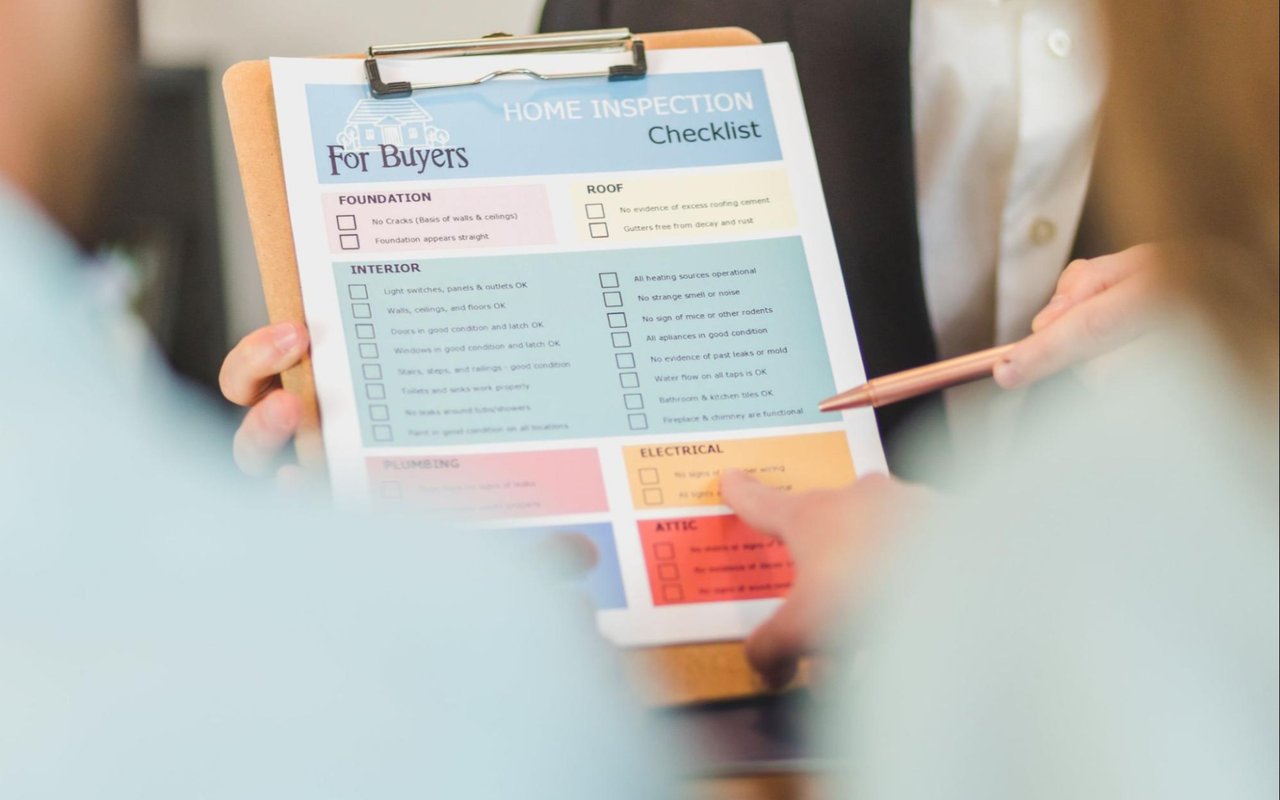
- The City of Naperville requires permits for all phases of construction with inspections at each stage before work can proceed
- Custom builds typically take 12 to 24 months from design through certificate of occupancy
- Choosing a builder with direct Naperville experience matters because local knowledge of zoning, permit workflows, and HOA requirements reduces delays
Start with the Land
Finding a lot is the starting point, and in a community where nearly every street is established, it is also the first real challenge. Most buyers who build in Naperville today do so by purchasing an existing property with the intent to tear it down and start fresh. These lots give you the ability to build in neighborhoods that are already fully formed, with mature trees, established streetscapes, and proximity to amenities. What they require is careful due diligence on zoning setbacks, utility connections, and HOA or subdivision architectural review requirements before you commit.
Not every older property is a straightforward build candidate, and evaluating site conditions, existing utility infrastructure, and municipal requirements before purchase saves significant cost and delay later in the process.
What to Evaluate Before You Buy a Lot
- Zoning classification and setback requirements vary by parcel and cannot be assumed from neighboring homes
- An HOA or architectural review committee adds an approval layer to design plans that can require modifications affecting both timeline and budget
- Outdated or undersized utility connections — water, sewer, gas, or electric — can add meaningful cost to site preparation before construction even begins
- A lot with an existing structure requires asbestos testing and proper utility disconnection before demolition can proceed per city requirements
Design Your Home Around How You Live
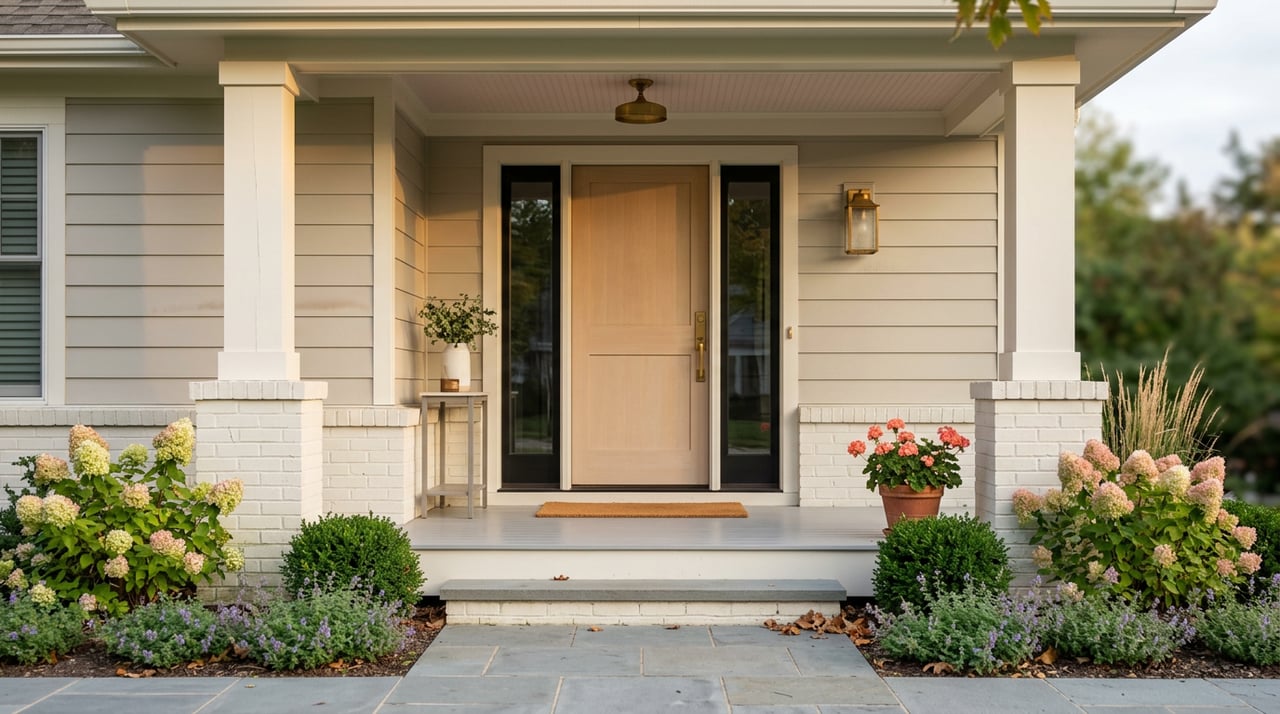
The design phase is where the build takes on its character and where the most consequential decisions get made. Popular architectural styles in Naperville include Modern Farmhouse, Traditional Colonial, Craftsman, and Transitional blends. The best builders work from your specific vision rather than adapting a template, and the design process should account for how the home functions for your daily life.
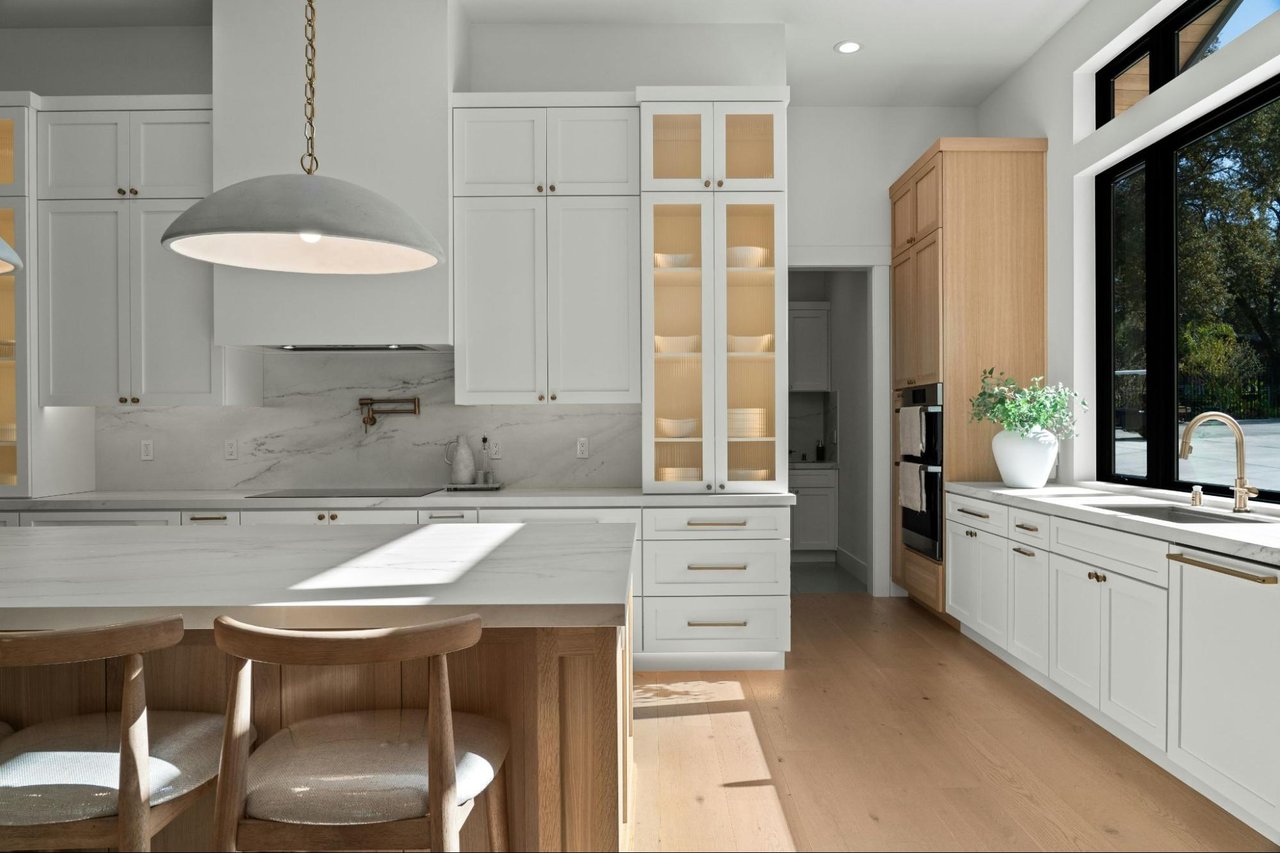
Most Naperville families want a main floor that flows, with the kitchen, dining, and living areas connected rather than compartmentalized. Beyond that, first-floor suites, generous mudrooms, and finished basements tend to be the priorities that shape the design from the start. Getting those priorities clearly defined before design begins reduces the costly revisions that come from changing direction mid-process.
Design Decisions That Shape the Entire Build
- Ceiling heights, structural beam placements, and mechanical system locations are nearly impossible to change once framing begins
- Energy efficiency should be specified at the design stage because retrofitting insulation, window performance, or HVAC efficiency into a completed home costs significantly more than building it in from the start
- Subdivisions with architectural review require early plan submission, since conditional approvals that require redesigns can push a construction start date back by weeks or months
- Naperville's climate demands specific considerations, including roof pitch for snow load, foundation depth for frost protection, and HVAC systems sized for both summer heat and winter cold
Navigate Permits and Construction
The City of Naperville requires permits for all phases of residential construction. Builders with established relationships with the Naperville permit office understand the documentation requirements, inspection sequencing, and common delay sources, and that familiarity directly affects how predictably your timeline holds.
Construction runs 12 to 24 months for a custom build depending on scope and complexity. During that period you will make hundreds of finish selection decisions. The builders who manage this process well keep clients on a clear decision calendar so selections are made before they become critical path items rather than after.
How the Construction Phase Unfolds
- Foundation and framing both require city inspections before subsequent work can proceed, and any deficiency found at that stage adds time to the overall schedule
- Your builder's relationships with subcontractors directly determine how reliably the schedule holds
- Every finish selection from flooring to fixtures must be made on a timeline tied to when each trade begins, and late decisions are one of the most common causes of construction delays
- Addressing punch list items promptly after the final inspection keeps your move-in date from slipping past the point where temporary housing arrangements expire
FAQs
How long does it take to build a custom home in Naperville?
Most custom builds take between 12 and 24 months from design through certificate of occupancy. The timeline varies based on design complexity, the efficiency of the permit process, and how quickly finish selections are made during construction.
Do I need my own architect to build in Naperville?
Not necessarily. Many Naperville builders operate as design-build firms with in-house architects and interior designers, keeping design decisions tied to budget realities from the start rather than discovering cost issues after plans are complete.
How does a real estate agent help with a new build?
A knowledgeable local agent helps you evaluate and negotiate on teardown lots, assess viability, and navigate due diligence before you engage a builder. That early guidance makes the difference between a lot that works and one that surprises you with constraints and costs you did not anticipate.
Contact the Kimberly Zahand Team Today
Building a home in Naperville is a significant undertaking, and having the right team from lot selection through closing makes it more manageable. We work with buyers across Naperville, Aurora, Geneva, St. Charles, and the broader western suburbs and bring the local knowledge to help you find the right lot and navigate every step of the process.
Visit us at
Kimberly Zahand Team to connect and let us help you get started.