How Strategic Staging Elevates Your Naperville Home Sale
May 21, 2026
May 21, 2026
Selling in Naperville is not just about putting your home on the market and hoping for the best. In a market where homes are moving in a matter of weeks and sale-to-list ratios are hovering near asking price, how your home looks from the very first photo can shape the entire outcome. If you want to attract serious buyers, support your list price, and make your home stand out for the right reasons, strategic staging can make a real difference. Let’s dive in.
Naperville’s market is active, but that does not mean presentation is optional. Realtor.com’s March 2026 snapshot shows a median listing price of $609,000, 290 active listings, and a median of 26 days on market, while also identifying Naperville as a seller’s market. MRED’s March 2026 report shows detached homes with a median sales price of $728,500, average market time of 41 days, and 99.5% of original list price received, while attached homes posted a $340,000 median sales price, 32 days on market, and 99.2% of original list price received.
Those numbers point to an important truth for sellers. Buyers are active, but they are still paying close attention to value, condition, and presentation. In a market like this, staging helps your home compete well, photograph beautifully, and feel worth the price you are asking.
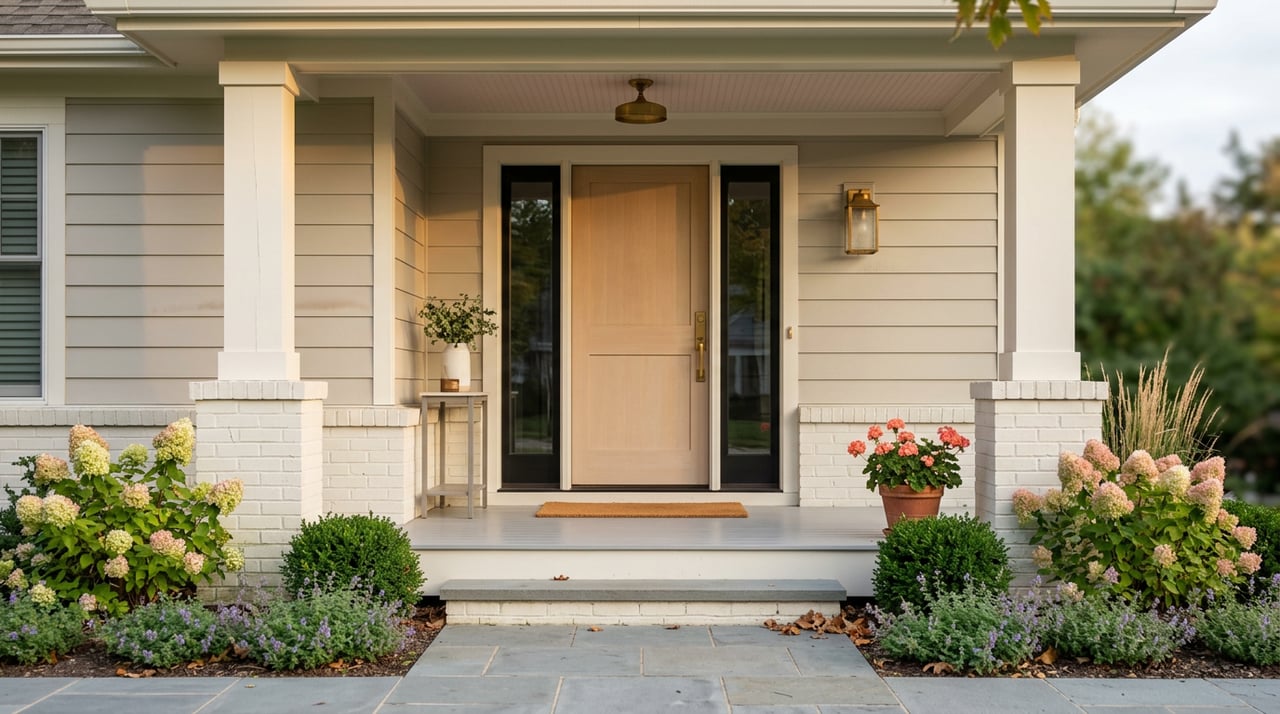
Strategic staging is not the same as a full renovation or expensive redesign. In most cases, it means creating a clean, neutral, polished setting that highlights your home’s strengths and helps buyers imagine themselves living there. The goal is to make each space feel open, functional, and inviting without distracting personal touches.
According to the National Association of Realtors 2025 Profile of Home Staging, 83% of buyers’ agents said staging makes it easier for buyers to visualize a home as their future residence. That matters because buyers often form opinions quickly, especially when they first see your home online.
For many Naperville sellers, staging starts with the basics:
This kind of preparation supports both in-person showings and digital marketing. That is especially important when buyers are making shortlists from photos, video, and virtual tours before they ever step inside.
Not every room needs the same level of effort. If you are working within a budget, focus first on the spaces buyers care about most.
NAR’s 2025 staging profile found that the living room, primary bedroom, and kitchen are among the most important rooms to stage. Dining rooms also deserve attention because they help reinforce flow and lifestyle.
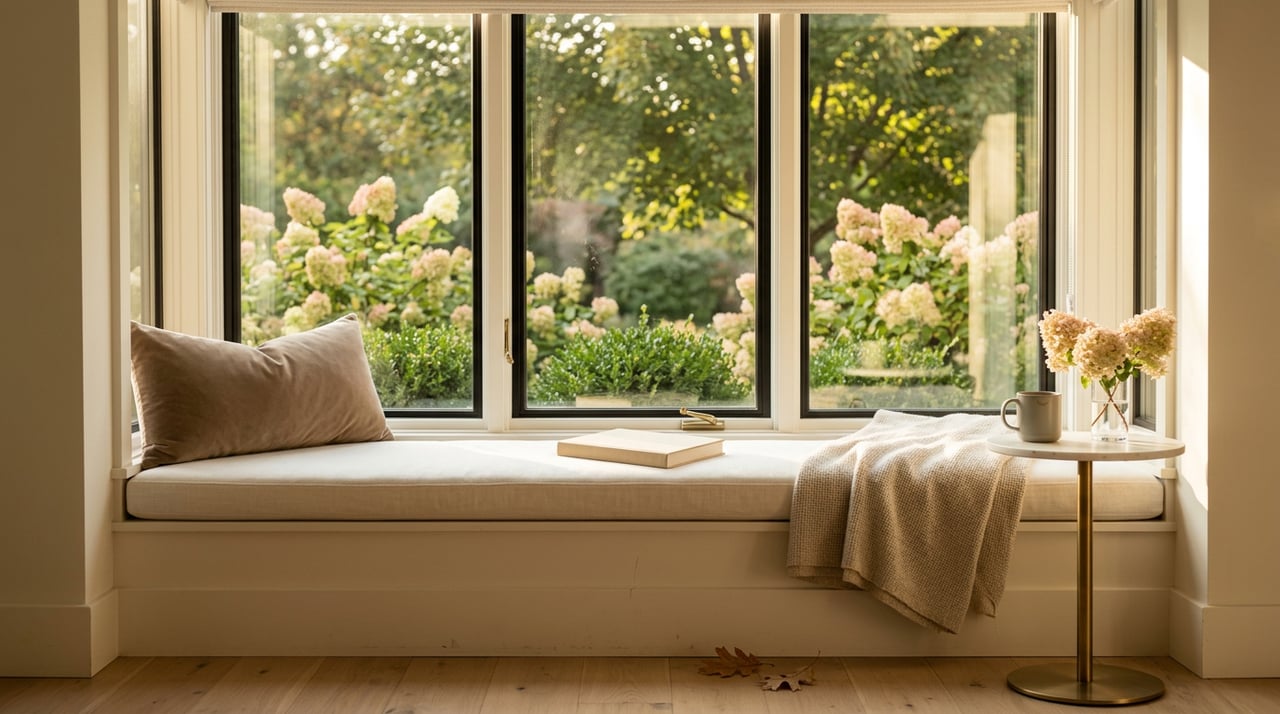
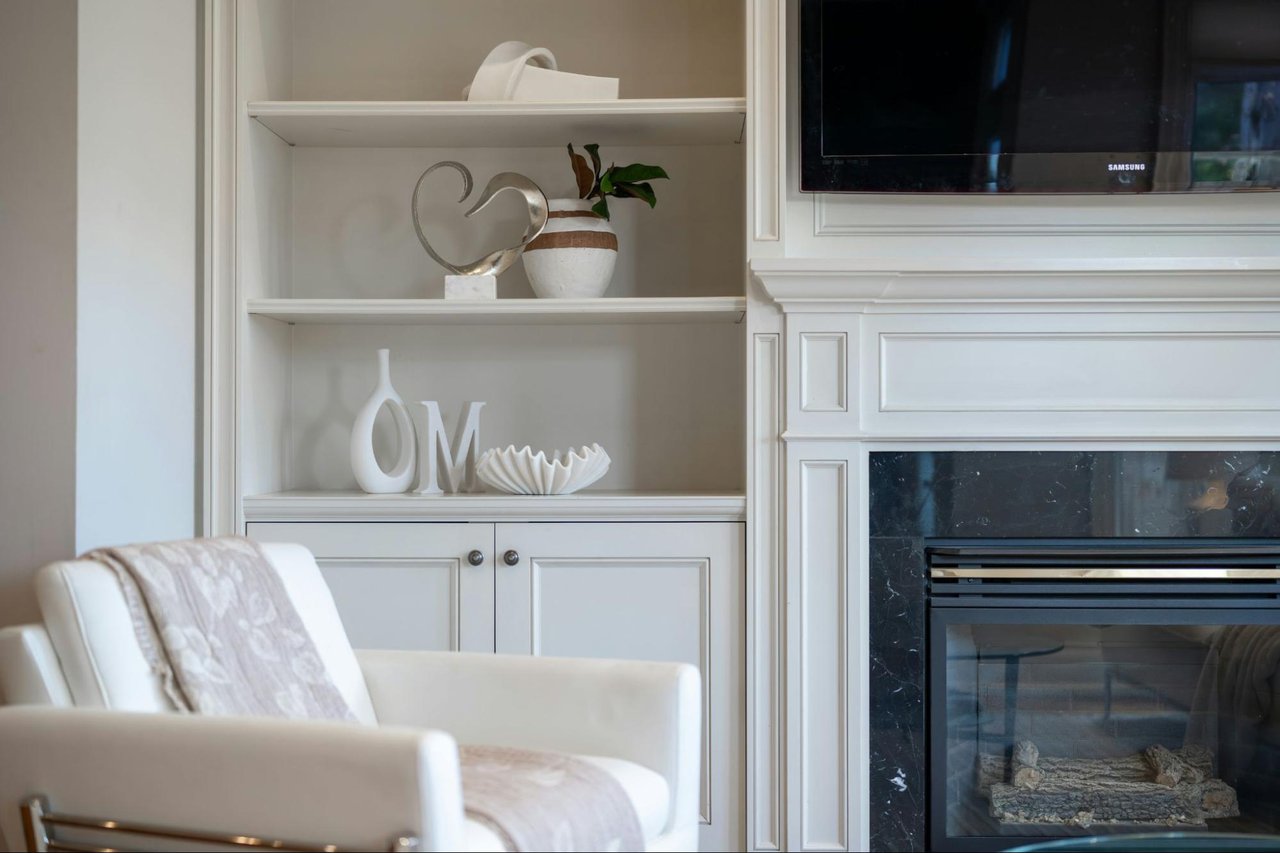
Your living room often sets the tone for the rest of the home. Buyers want to see a space that feels bright, comfortable, and easy to use. Too much furniture, heavy decor, or a crowded layout can make the room feel smaller than it is.
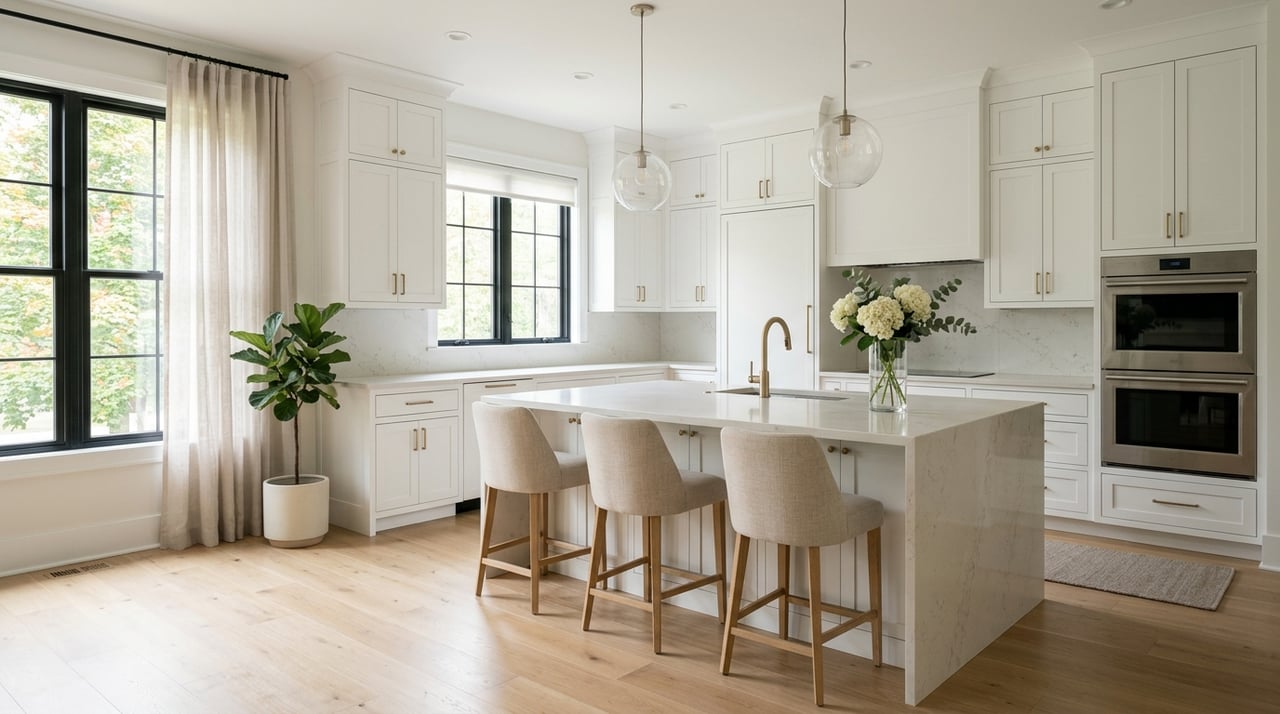
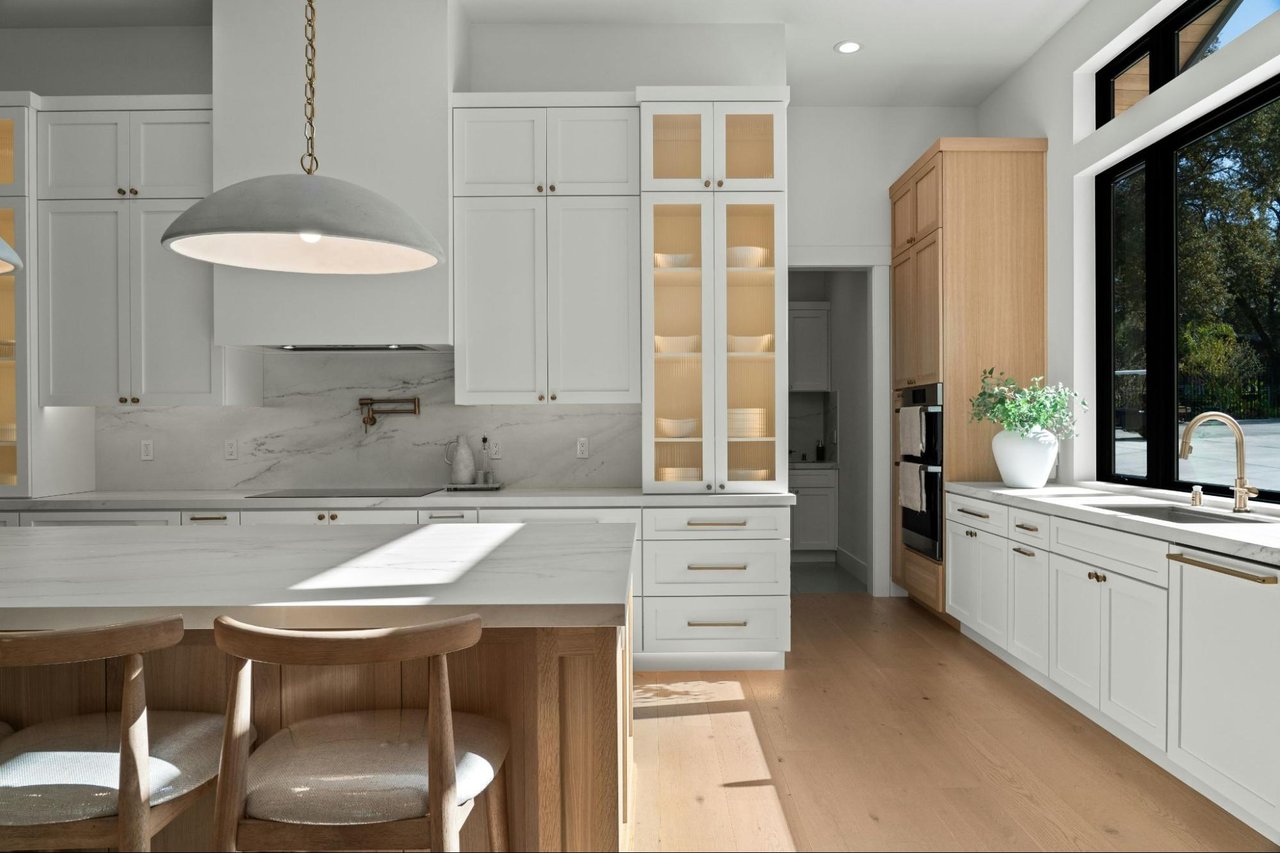
The kitchen is one of the strongest value signals in any listing. You do not necessarily need a full remodel, but clean counters, clear surfaces, updated hardware, and fresh lighting can make a big impact. A polished kitchen photographs well and helps buyers feel the home has been cared for.
Buyers respond well to a primary bedroom that feels calm and spacious. Soft bedding, minimal decor, and a simple furniture layout can help the room feel restful and functional. This is one of the easiest places to create a high-end impression without a major investment.
If your home has a dedicated dining space, make sure it feels purposeful. Even a simple table setting and well-scaled furniture can help buyers understand how the room lives. Empty or awkward rooms can create uncertainty, which you want to avoid.
Before staging begins, it often makes sense to handle a few cosmetic improvements. These are not dramatic projects. They are practical updates that support the overall look and help your home feel move-in ready.
Common examples include:
Zillow’s seller guidance notes that many sellers begin preparing 60 to 90 days before listing. That timeline gives you room to complete repairs, stage thoughtfully, and schedule photography without feeling rushed.
It also reflects how buyers shop today. Zillow reports that nearly half of surveyed buyers said they would feel at least somewhat confident making an offer after only a virtual tour. That means your home needs to look strong on screen, not just in person.
One of the biggest mistakes sellers make is assuming that great staging can overcome an unrealistic price. In Naperville, the data suggests that pricing still needs to be closely aligned with the market.
Realtor.com reported a 100% sale-to-list ratio in March 2026, and MRED showed original-list-price-received near 99% for both detached and attached homes. That tells you buyers are paying close to asking price when the home is positioned well. It does not suggest that buyers are ignoring overpricing.
Naperville also has meaningful variation at the ZIP code level. Realtor.com reported a median listing price of $422,450 in 60563 with 24 days on market, while 60564 showed a median listing price of $667,500 and 22 days on market. That difference is a reminder that citywide averages only tell part of the story.
Your pricing strategy should be based on recent nearby comparable homes in your specific micro-market. Staging helps buyers feel the value. Pricing helps them act on it.
You do not need to overspend to make a meaningful improvement. In fact, a focused plan is often more effective than a broad one.
NAR’s 2025 profile reported a median spend of $1,500 for professional staging services. That makes staging a practical option for many sellers, especially when it is targeted toward the rooms and updates that matter most.
A strategic budget often goes furthest when you prioritize:
Zillow also cites a typical seller spend of about $5,380 on common pre-listing improvements such as landscaping and interior painting. That does not mean every seller needs to spend that amount. It simply shows that sellers often invest in preparation because first impressions matter.
Today, your listing usually makes its first impression online. That means photos, video, and virtual tours are part of your staging strategy, not separate from it.
Physical staging still matters, but virtual tools can help buyers understand a room’s scale and potential. If virtual staging is used, materially altered images should be disclosed. Clear and honest presentation builds trust and helps buyers engage with your home confidently.
In many cases, the strongest results come from combining thoughtful in-person preparation with polished digital marketing. When your home looks clean, bright, and cohesive in every format, buyers are more likely to remember it and respond quickly.
If you are getting ready to list, a clear plan can make the process feel much more manageable. Instead of trying to do everything at once, focus on the steps that create the biggest payoff.
Look at your home the way a buyer will. Notice crowded areas, worn finishes, oversized furniture, and any repairs that catch your eye right away. If something feels distracting to you, it will likely stand out to buyers too.
Staging starts with subtraction. Remove extra furniture, simplify decor, clear surfaces, and pack away personal items. The goal is to create breathing room so buyers can focus on the home itself.
After the home is simplified, handle the small fixes that affect buyer perception. Paint touch-ups, clean grout, repaired hardware, and fresh lighting often do more than sellers expect.
Put your time and money where buyers are most likely to notice. The living room, kitchen, primary bedroom, and dining area usually deserve the most attention.
Online presentation drives traffic. Make sure the home is fully cleaned, styled, and photo-ready before the photographer arrives. Strong marketing begins with strong visuals.
Strategic staging is about more than looks. It helps buyers connect emotionally, understand the function of each room, and feel more confident about the value of your home. In a market like Naperville, where homes are often selling close to list price, that confidence can support stronger interest and smoother decision-making.
If you are selling a home while also planning your next move, staging can also reduce stress by giving you a clear roadmap. Instead of guessing what to update or where to spend, you can make focused decisions that support your timeline and goals.
A well-prepared home sends a simple message to the market: this home has been cared for, thoughtfully presented, and priced with intention.
If you are thinking about selling in Naperville, Kzahand, Inc can help you create a smart plan for pricing, staging, and presentation so your home enters the market with confidence.
Stay up to date on the latest real estate trends.

These local restaurants have great brunch menus and atmospheres.
What every Naperville homebuyer should know before, during, and after the inspection.

A straightforward overview of what standard homeowners insurance protects—and what it doesn’t.
What Makes These Homes Special and How to Care for Them the Right Way.
Elevated Features That Add Everyday Enjoyment and Long-Term Value.
Get assistance in determining current property value, crafting a competitive offer, writing and negotiating a contract, and much more. Contact us today.