
Homeowners Insurance in Illinois: Beginner’s 2026 Guide
Real Estate Education & Tips Kimberly Zahand August 17, 2026
Real Estate Education & Tips Kimberly Zahand August 17, 2026
Illinois Homeowner Guide
A standard Illinois homeowners policy (HO-3) typically covers the dwelling, other structures, personal belongings, liability, and temporary living costs after covered losses such as fire, wind, hail, and theft. It does not cover flood, and sewer backup and sump pump overflow are usually excluded unless you add an endorsement.
This guide is general information, not insurance, legal, or financial advice. Coverage, limits, and prices vary by company and home, so confirm details with a licensed insurance agent.
See homes for sale in Naperville and set up a private showing with the team.
Browse Naperville ListingsFind out what your Naperville home is worth with a free Comparative Market Analysis.
Get My Home ValueRisk | Standard HO-3 Policy | What It Means in Illinois | What to Ask Your Agent |
|---|---|---|---|
Fire, smoke, and lightning | Typically covered | Covers repair or rebuilding of the home and contents, up to your limits. | Confirm your dwelling limit reflects current rebuilding costs |
Wind, hail, and tornado damage | Typically covered | Roof, siding, and window damage from storms is a common claim in the Midwest. | Ask whether wind or hail has a separate or percentage deductible |
Winter damage and burst pipes | Typically covered, with conditions | Policies often require reasonable steps to heat the home and prevent freezing. | Read the policy conditions for vacant or unheated periods |
Theft and vandalism | Typically covered | Covers personal property, often with limits on jewelry, art, and similar items. | Ask about scheduling high-value items |
Personal liability and medical payments | Typically included | Helps with legal defense and certain costs if a guest is injured on the property. | Ask about higher limits and an umbrella policy |
Additional living expenses | Typically included | Helps pay for temporary housing if a covered loss makes the home unlivable. | Check the limit and time period |
Sewer or drain backup and sump pump overflow | Typically not covered | Illinois regulators note these are usually excluded and often not covered by flood policies either. | Ask about a water backup endorsement and its limit |
Flood from rising water | Not covered | Standard homeowners policies do not cover flood damage, and new flood policies usually take 30 days to take effect. | Check the flood map and ask about NFIP or private flood coverage |
Earthquake and mine subsidence | Not covered unless endorsed | Illinois regulators note these need an additional endorsement. | Ask whether either applies to your area |
Flood, sewer backup, earthquake, and mine subsidence points come from consumer guidance by the Illinois Department of Insurance. Other items describe typical HO-3 policy terms, which vary by company.[1]
Protecting Your Home Investment
Most buyers who finance a home need homeowners insurance before closing, because lenders typically require continuous coverage until the loan is paid off. Illinois law does not require it for a home you own free and clear, but going without leaves you carrying the whole risk.[2]
The most common policy for a single-family home is the HO-3. It generally covers the house on an open-peril basis, meaning it covers damage unless a cause is specifically excluded, and covers belongings for listed perils. The exclusions are where buyers get surprised, especially water: the Illinois Department of Insurance notes that standard policies do not cover flood and that sewer backup and sump pump problems are usually excluded.
Because finished basements are common in the western suburbs, it is worth understanding these gaps before you close, not after a storm. This guide explains the core coverages, the endorsements to ask about, and how insurance fits into the home-buying timeline.
Structural & Personal Safeguards
Review the main coverages and the gaps to ask your agent about.
Dwelling coverage (Coverage A) pays to repair or rebuild the house, including the roof, walls, foundation, and built-in systems, after a covered loss. Other structures coverage (Coverage B) applies to detached items such as a garage, shed, or fence, and is commonly set as a percentage of the dwelling limit.
Insure the home for what it would cost to rebuild, not for its market value. Ask your agent whether extended replacement cost coverage makes sense for your home.[3]
Personal property coverage (Coverage C) helps replace belongings after a covered loss. Policies pay on either an actual cash value basis, which subtracts depreciation, or a replacement cost basis, which pays to replace items with new ones. Replacement cost generally costs more but pays more.
Loss of use coverage (Coverage D) helps pay for temporary housing and extra living costs while a covered loss makes the home unlivable. Limits and time periods vary by policy.
Liability coverage (Coverage E) helps with legal defense and damages if someone is injured on your property or you accidentally damage someone else's. Medical payments coverage (Coverage F) pays certain medical costs for guests regardless of fault.
In Illinois, icy walks and driveways are a common source of claims. Ask your agent about higher liability limits and an umbrella policy, which adds extra liability coverage above your home policy.[4]
Illinois regulators note that standard policies do not cover flood, that new flood policies usually take 30 days to take effect, and that flood policies typically do not cover sewer backup or sump pump problems. Water backup and sump overflow coverage is a separate endorsement, and it generally will not pay to replace the pump itself.
The Illinois Department of Insurance also notes that earthquake and mine subsidence need additional endorsements. Ask your agent how each is defined in the policy, since flood, sewer backup, and sump overflow are treated differently.
Real Estate Purchase Due Diligence
Get quotes early, check the flood map, and look at the basement.
Listing sites show a price and a photo, but they do not show whether a home is easy to insure. Four steps during the buying process help.
Get quotes before the contingency period ends. Insurance cost and availability can depend on the roof age, electrical panel, heating system, and claim history. Ask an agent for quotes early so any surprise comes while you can still negotiate.
Check the flood map and start flood coverage early. Check the FEMA map for the address. Because new flood policies usually take 30 days to take effect, start the process before closing if flood coverage is needed.
Look closely at the basement. If the home has a finished basement, ask the inspector about the sump pump, battery backup, and signs of past water, and ask your agent about a water backup endorsement.
Know the contract timeline. In the standard Chicago-area contract, attorney review and inspection periods are short, often around five business days. Confirm the exact dates with your attorney and agent.
Property Search by Submarket
Start with active listings, or read the Naperville neighborhood guide first:
Consumer insurance guidance is published by the Illinois Department of Insurance. Flood maps are available from the FEMA Flood Map Service Center, and flood insurance information is at FloodSmart. Real estate aggregator listings on Zillow or Realtor.com do not show insurability, roof age, or flood risk.
Western Suburbs Homebuyer Resources
Review related buyer guides and community profiles across Western Chicagoland.
Local Real Estate Authority
Naperville & Western Suburb Property Specialists
Led by top-producing broker Kimberly Zahand, The Kimberly Zahand Team at Keller Williams Innovate provides buyer representation and property marketing across Naperville, Plainfield, St. Charles, and the Fox River Valley. We are real estate professionals, not insurance agents, so we guide clients on the buying process and recommend they confirm coverage with a licensed insurance agent.
Office: Keller Williams Innovate | Direct: (630) 450-4100 | Serving Western Chicagoland
Frequently Asked Questions
A standard HO-3 policy typically covers the dwelling, other structures, personal belongings, liability, and additional living expenses after covered losses such as fire, lightning, wind, hail, and theft. Exact terms vary by company, so read the policy and ask a licensed agent.
Usually not. The Illinois Department of Insurance notes that standard policies typically exclude them and that flood policies often do too. A water backup endorsement can be added, but it generally will not pay to replace the pump itself, so ask how your policy defines each term.
Illinois does not require homeowners insurance for a home you own outright, but if you have a mortgage, the lender will typically require continuous coverage until the loan is paid off.
Premiums vary widely with the home's rebuilding cost, roof age, location, deductible, and endorsements. The best approach is to get quotes from several companies for the specific address, ideally before your contingency periods end.
Actual cash value pays the cost of damaged items minus depreciation. Replacement cost pays to replace them with new items of similar quality. Replacement cost generally has a higher premium but pays more after a loss.
No. The Illinois Department of Insurance states that standard homeowners policies do not cover flood damage, and new flood policies usually take about 30 days to take effect. Flood coverage is available through the National Flood Insurance Program and private insurers.
Fiduciary Real Estate Representation
Connect with Kimberly Zahand and our team for homebuyer guidance, inspector referrals, or a market valuation of your DuPage, Kane, or Kendall County home.
Stay up to date on the latest real estate trends.

Discover the best pet-friendly spaces, parks, and local spots in Naperville, IL.

These local restaurants have great brunch menus and atmospheres.

From Designer Outlets to Curated Boutiques and Cultural Markets, Aurora's Shopping Scene Has Something for Every Taste.

The Best Parks in Geneva, IL, and What Makes Each One Worth Visiting.
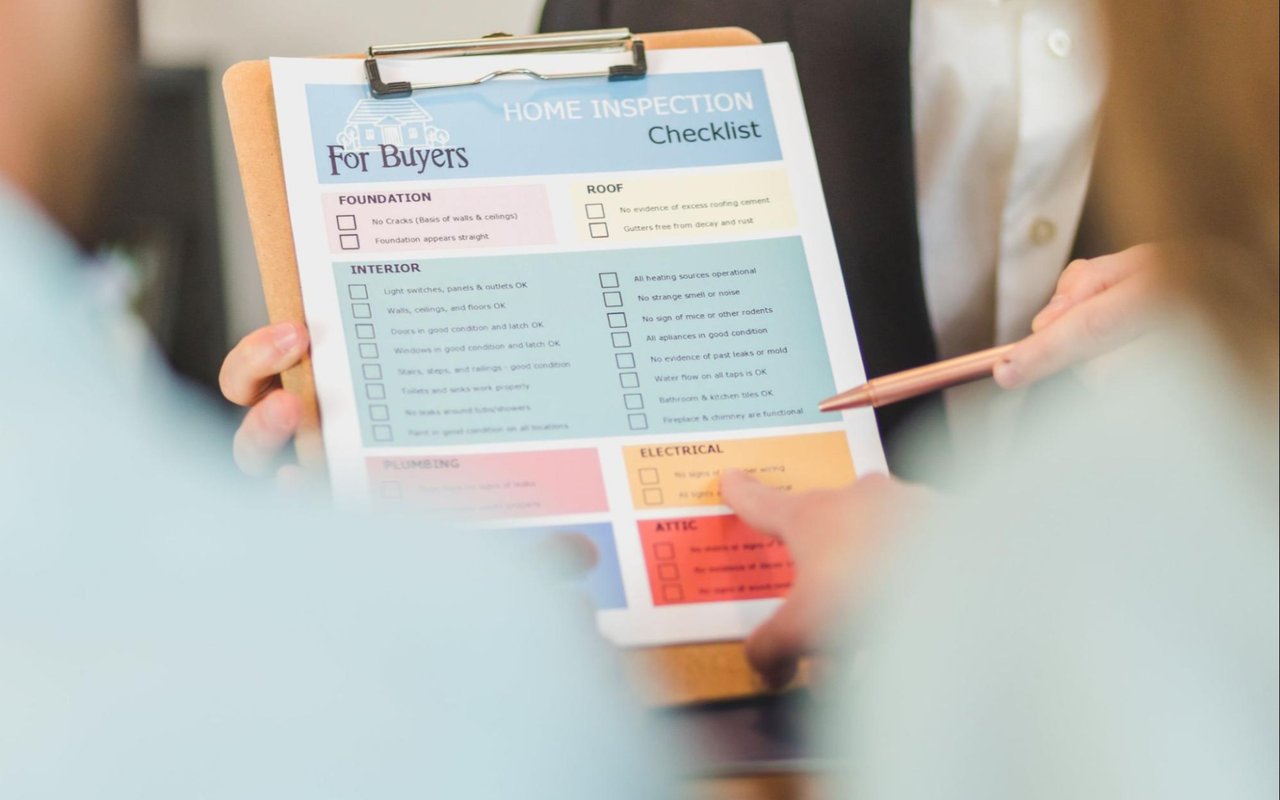
What every Naperville homebuyer should know before, during, and after the inspection.

A Clear, Neutral Guide for Homebuyers Navigating District 203 and District 204
Get assistance in determining current property value, crafting a competitive offer, writing and negotiating a contract, and much more. Contact us today.