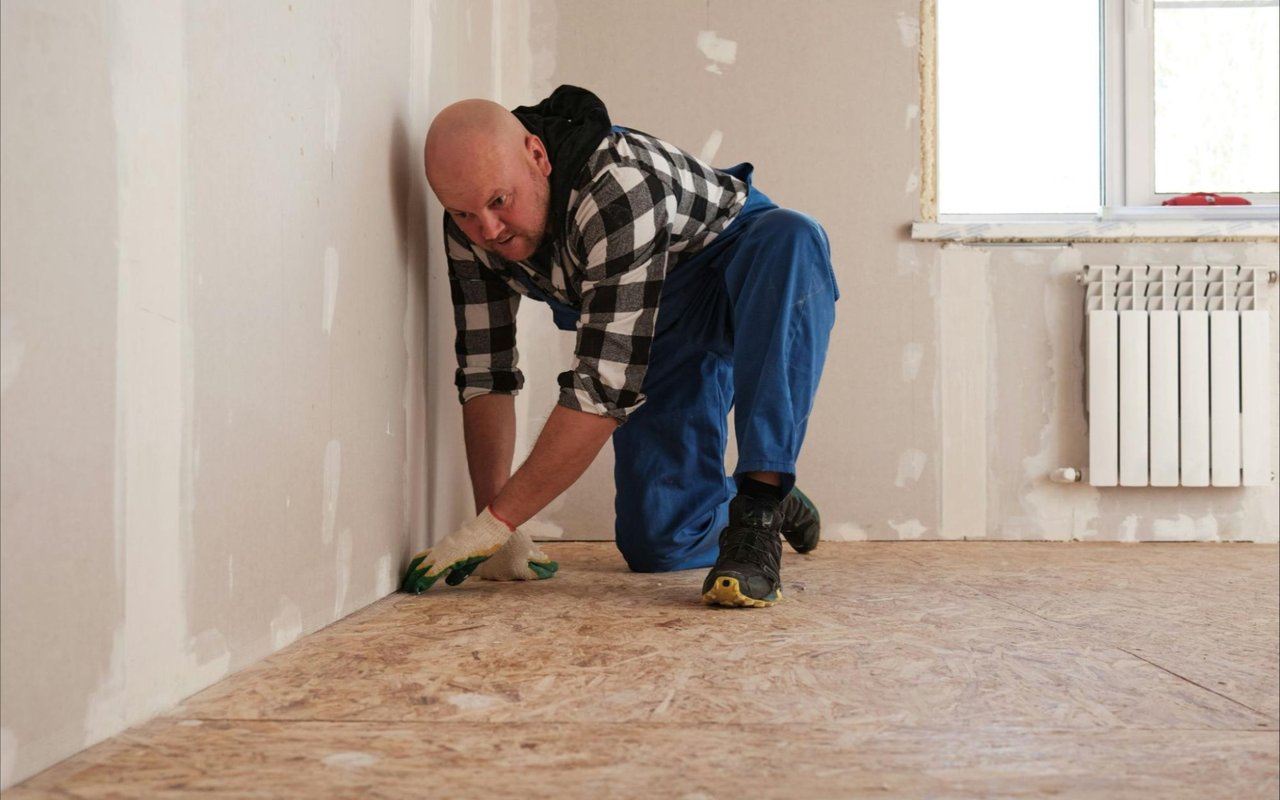
Flipping Houses in Naperville: 2026 ROI and Best Areas
Kimberly Zahand Team January 7, 2026
Kimberly Zahand Team January 7, 2026
Naperville IL Real Estate Investment Guide
Flipping houses in Naperville, IL targets After-Repair Values (ARV) between $450,000 and $700,000+ across primary investment corridors. Investors utilize the 70% rule (Maximum Acquisition Price = 70% of ARV minus renovation costs) to target 15 to 20 percent net profit margins. Standard cosmetic renovation budgets range from $60,000 to $120,000, with average project timelines lasting 4 to 8 months from acquisition to final closing. City of Naperville building permits are required for structural, electrical, and plumbing alterations.
Naperville continues to deliver strong returns for real estate investors due to high buyer demand for turnkey homes in top-rated school districts like District 203 and District 204. Success requires precise neighborhood targeting, disciplined contractor oversight, and strategic staging tailored to modern suburban buyer preferences.
Investment Factor | Naperville Market Benchmark | Investor Strategy & Application |
|---|---|---|
ARV Target Ranges | $450,000 to $700,000+ depending on district | District 203 commands highest ARVs; District 204 South Naperville offers lower entry prices and strong cosmetic margins. |
70% Acquisition Formula | Max Price = (ARV x 70%) minus Reno Cost | Example: $600,000 ARV x 70% ($420,000) minus $80,000 renovation equals $340,000 maximum acquisition target. |
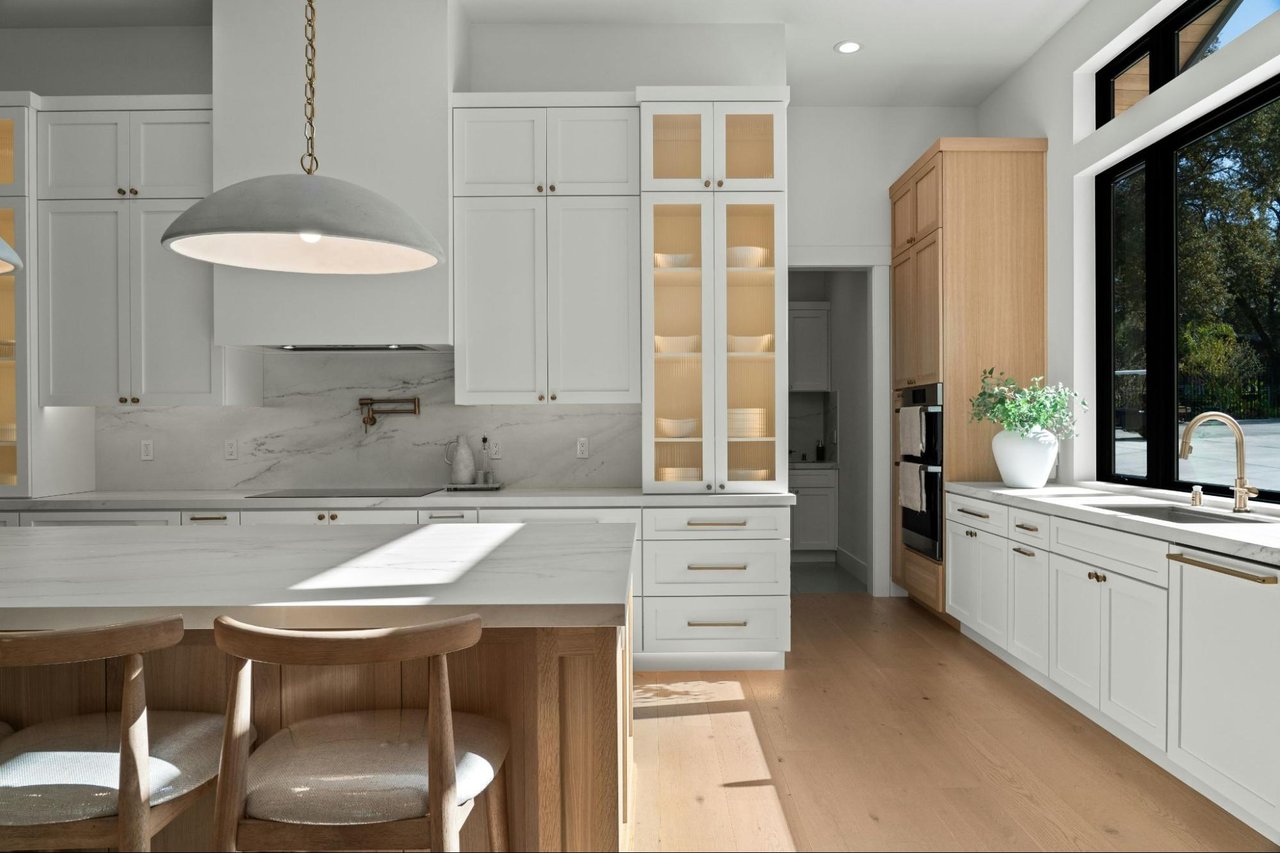
Cosmetic Reno Budget | $60,000 to $120,000 standard budget | Covers kitchen/bath overhaul, quartz counters, white oak flooring, interior paint, updated lighting, and curb appeal. |
Structural / Addition Scope | $150,000 to $300,000+ expanded budget | Reserved for experienced flippers converting open layouts or expanding footprints. Requires full City of Naperville permits. |
Carrying & Holding Costs | 10% to 15% budget buffer recommended | Includes hard money interest (8% to 12% annualized), property taxes, insurance, utilities, and contingency reserves. |
Municipal Exit Taxes | $3.00 per $1,000 Naperville transfer tax | State transfer tax ($0.50/$500), DuPage tax ($0.25/$500), and municipal transfer tax must be built into exit calculations. |
Ground your acquisition numbers in accurate market comps. Partner with Kimberly Zahand and The Kimberly Zahand Team at Keller Williams Realty to analyze off-market deals, ARV targets, and resale strategies.
South Naperville represents the highest-volume opportunity for cosmetic flippers. Homes constructed in the 1990s and early 2000s feature solid structural bones but dated interiors. Modernizing kitchens, bathrooms, flooring, and lighting yields ARVs between $475,000 and $600,000, attracting strong family demand tied to Indian Prairie CUSD 204 schools.
West Highlands features 1950s and 1960s ranch and split-level homes ripe for open-concept floor plan conversions. Removing load-bearing walls and creating expansive kitchen islands appeals directly to buyers seeking central Naperville locations near District 203 schools. ARV targets in this corridor range from $500,000 to $650,000+.
Downtown Naperville offers luxury exit pricing ranging from $700,000 to over $1.2M. However, higher acquisition costs, historic building guidelines, and complex structural updates require experienced investors. Managing city design standards and permit timelines is essential to preserving profit margins.
Selling a vacant flipped home often leaves money on the table. Professional staging highlights open layouts and modern finishes, helping buyers visualize lifestyle functionality. In Naperville, staged listings consistently command higher sale-to-list price ratios and shorter days on market, delivering a clear return on the staging investment.
The City of Naperville strictly enforces building codes. Permits are mandatory for structural wall removals, electrical service upgrades, plumbing modifications, HVAC changes, and window/door header alterations. Completing work with licensed contractors and approved permits ensures smooth buyer attorney reviews during resale.
The Kimberly Zahand Team at Keller Williams Realty assists real estate investors across Naperville, Oswego, Aurora, and Plainfield. Led by Kimberly Zahand, our team provides property acquisition guidance, comparative market analysis, renovation design consulting, and high-impact listing representation.
Yes. Strong buyer demand for move-in-ready homes in top school districts supports high After-Repair Values (ARVs). Investors following strict acquisition pricing and renovation budgeting achieve 15 to 20 percent net margins.
The 70% rule states that an investor should pay no more than 70 percent of the estimated After-Repair Value (ARV) minus expected renovation costs, protecting profit margins against carrying costs and market shifts.
Yes. The City of Naperville requires building permits for structural alterations, electrical upgrades, plumbing re-routes, and HVAC replacements. Purely cosmetic updates (paint, flooring, cabinetry swaps) typically do not require permits.
Cosmetic house flips usually take 4 to 8 months from acquisition to final sale closing. Major structural overhauls or additions can extend project timelines to 8 to 14 months.
Explore Nearby Naperville Real Estate Guides
Source Notes: Investment formulas, municipal transfer tax schedules, and building code requirements compiled directly from City of Naperville Municipal Code, DuPage County records, and MRED MLS data, current through 2026.
Stay up to date on the latest real estate trends.

These local restaurants have great brunch menus and atmospheres.
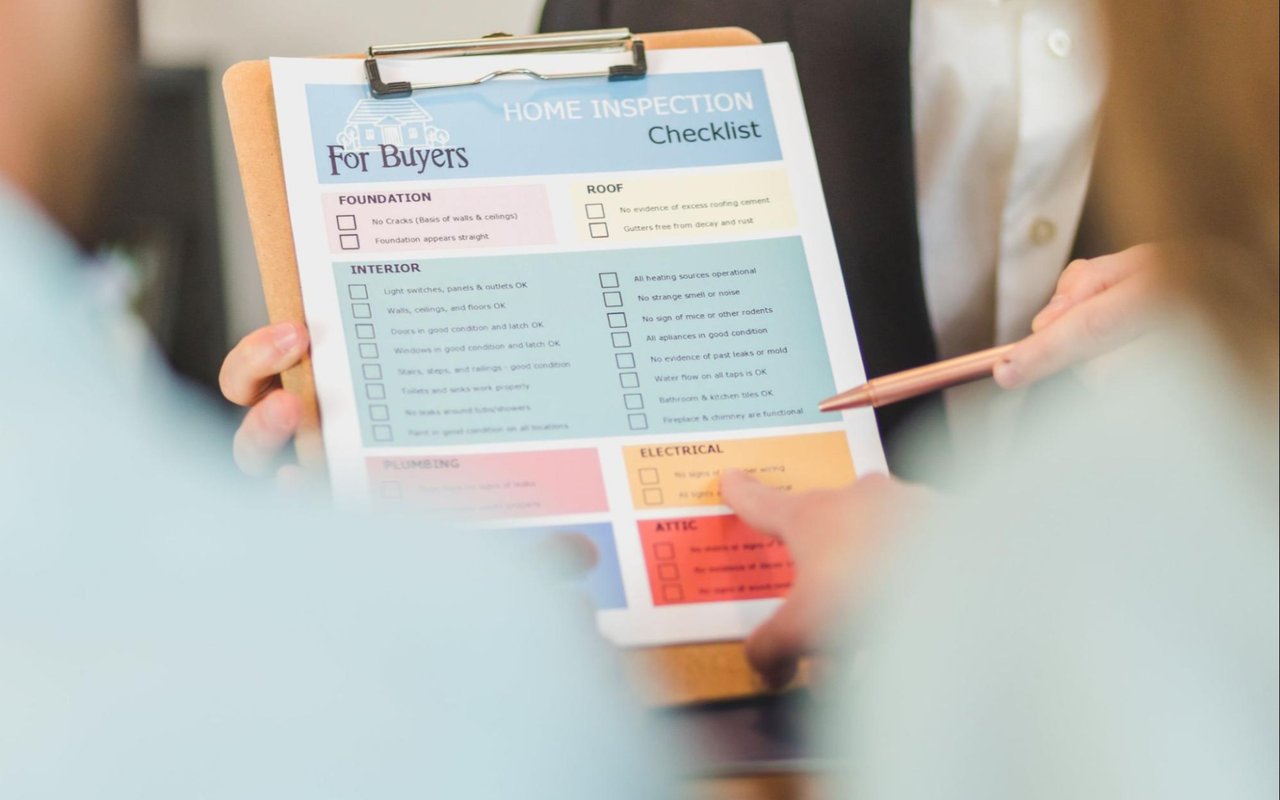
What every Naperville homebuyer should know before, during, and after the inspection.

A straightforward overview of what standard homeowners insurance protects—and what it doesn’t.
What Makes These Homes Special and How to Care for Them the Right Way.
Elevated Features That Add Everyday Enjoyment and Long-Term Value.
Get assistance in determining current property value, crafting a competitive offer, writing and negotiating a contract, and much more. Contact us today.